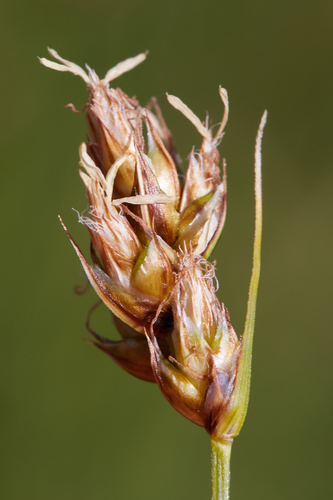
Foothill Sedge
Carex tumulicola
Care
full sun, part shade
low
moist to seasonally dry; tolerates clay
0–1ft tall , 0–2ft wide
Apr-Jun · brown
Evergreen
Resistant
Friendly
Pacific Coast from British Columbia to central California
Inconspicuous brown flower spikes
Excellent native lawn alternative; tolerates mowing; bunching sedge
Care Guide
Planting
Plant Foothill Sedge in full sun to part shade in fall or winter for best establishment. It's highly adaptable to different soil types - clay, loamy, or sandy - as long as drainage ranges from fast to slow, so don't stress about perfect soil preparation. Space plants about 1–2 feet apart if using them as a groundcover between trees or shrubs, which is their ideal use in Bay Area gardens. This California native thrives in our coastal and inland conditions and will spread slowly via rhizomes over time.
After Planting
Water weekly during your plant's first summer to establish a strong root system, then cut back to once a week or less during subsequent summers once established. Foothill Sedge is evergreen and requires minimal pruning - just remove any dead foliage in spring if needed. The #1 mistake is overwatering: this plant tolerates short dry periods and prefers "some moisture" rather than constant wetness, so err on the side of dry once it's past year one. By year two, you should be able to rely almost entirely on Bay Area rainfall except during extended droughts.
Endangered & Threatened Species Supported
California Species of Special Concern, habitat fragmentation and loss
Wildlife Supported
Birds

nesting cover in grassland habitat Apr-Jun

cover and nesting habitat in meadow systems year-round

dense sedge clumps used for nesting habitat and insect foraging Apr-Jun

dense sedge patches provide cover during fall migration Sep-Oct
Mammals

evergreen cover and nesting material in foothill meadows year-round