← Back to results

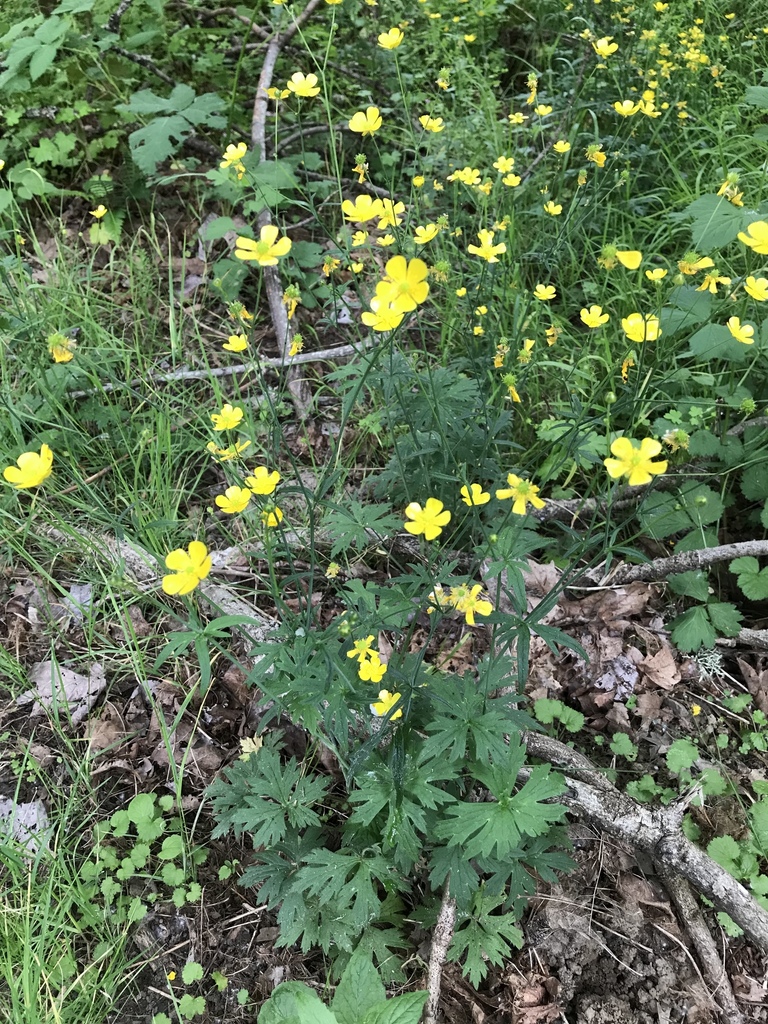
Western Buttercup

Ranunculus occidentalis

perennial herb View on Calscape

Care

Sun

full sun, part shade

Water

moderate

Size

0–2ft tall

Bloom

Jan-Dec

Container

Friendly

Flowers

Prized

Native Range

Grasslands and wetlands throughout California from sea level to 8000 ft elevation, extending to British Columbia and east to the Rocky Mountains.

Care Guide

Planting

Plant your western buttercup in full sun to part shade during winter or early spring to take advantage of the natural blooming season. Space plants according to the mature height range of 0.3 to 2 feet, depending on variety. The Calscape data doesn't specify soil requirements, so prepare a well-draining planting area and water in after planting.

After Planting

Water moderately during the first growing season - roughly weekly during dry spells - then reduce frequency as the plant establishes. Western buttercup flowers from winter through spring, so expect modest growth during warmer months; the plant's dormancy pattern isn't fully documented in available care data. Note that handling or damaging the plant releases protoanemonin, a compound that can irritate skin, so wear gloves during pruning or deadheading if desired.

Visit Calscape for more information about Western Buttercup

Endangered & Threatened Species Supported

Rock Ptarmigan Lagopus muta
CA: Endangered

California state-listed; limited range in Sierra Nevada

California ringlet butterfly Coenonympha california
CA: Threatened

California state threatened species

Wildlife Supported

Insects

Pollen · Spring

Primary pollinator; collects pollen for larval provisions

Pollen · Spring

Early spring pollen collection for brood provisioning

Larval Host · Spring

Larval food plant for this endemic California butterfly species

Pollen · Spring

Primary pollinator; collects pollen for larval provisions

Nectar · Spring

Spring/early summer nectar source for colony establishment

Nectar · Spring

Early season nectar and pollen for queen foraging

Larval Host · Year-Round

Oomycete pathogen; wet season disease pressure

mod Honey bee
Nectar · Spring

Spring forage for colony buildup and early honey production

+2 more species

Birds

Foliage · Spring

Early spring forage as snow recedes in alpine/subalpine California habitat

Where to Buy

East Bay Wilds

2110 Eighth St, Suite 202, Berkeley

Fri 9:30am-4pm (occasional Sat, call ahead)

1.5 mi (510) 409-5858 Website