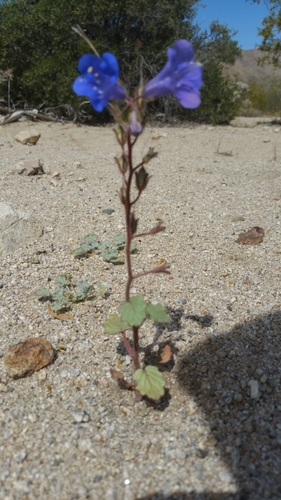
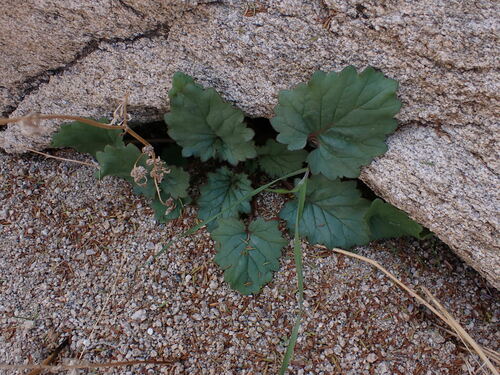
Desert Blue Bells
Phacelia campanularia
Care
full sun
low
Fast, Medium; Prefers sandy or decomposed granite soil.
1–2ft tall , 1–2ft wide
Jan-Dec
Evergreen
Friendly
Prized
Mojave and Colorado Desert regions of southeastern California in San Bernardino and Inyo Counties, below 3000 ft elevation, on sandy washes and desert flats.
Care Guide
Planting
Plant Desert Blue Bells in autumn when the rainy season begins, scattering seeds directly onto sandy or decomposed granite soil. Choose a spot with full sun and ensure the soil drains quickly - this is essential since the plant comes from desert environments. Space seeds to allow room for mature plants reaching 1–2 feet tall. They pair beautifully with California poppies, golden blazing stars, and creamcups if you want a mixed wildflower display.
After Planting
Once established, Desert Blue Bells need minimal water - only about once per month during summer. Let the flowers produce and drop their own seeds for volunteer plants the following year, which is the easiest way to enjoy them annually. The main mistake gardeners make is watering too much; this desert annual will fail in consistently moist soil, so resist the urge to coddle it once it's growing.
Wildlife Supported
Insects

Early season resource for queen establishment and colony growth

Specialist pollen forager during Phacelia bloom

Early season nectar for colony establishment

Early spring nectar source during desert bloom period

Important early season nectar resource in desert regions

Host plant for larval development and adult feeding

Pollen and nectar for adult flies supporting larvae predation on aphids

Spring migration fuel source in desert wildflower blooms
+2 more species