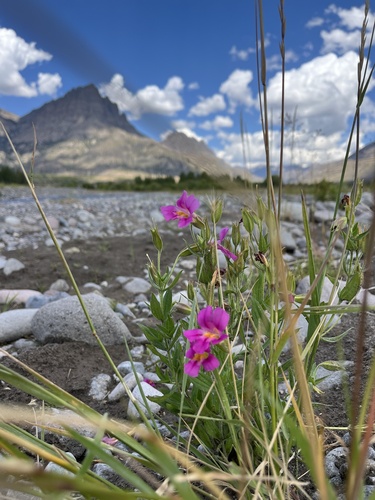
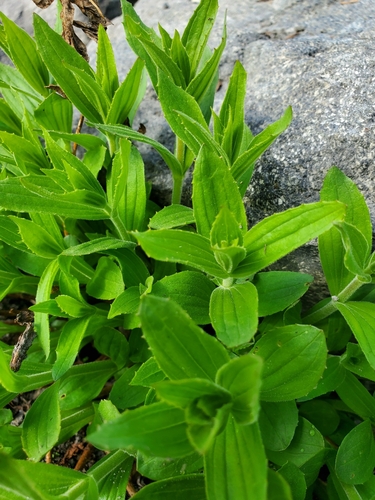
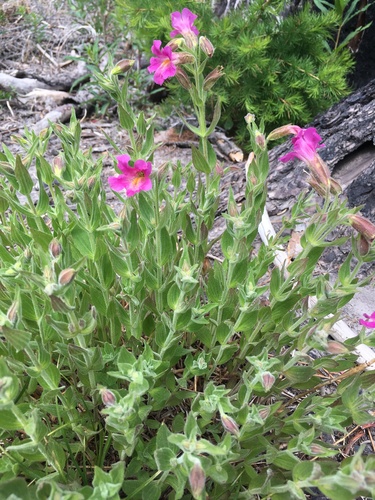
Lewis' Monkeyflower
Erythranthe lewisii
Care
full sun
high
Medium; Prefers rich, moist, loamy soil.
0–2ft tall
Jun-Aug
Deciduous
Resistant
Friendly
Prized
Wet meadows and riparian areas of the Sierra Nevada, 5000-10000 ft elevation
Care Guide
Planting
Plant Lewis' Monkeyflower in full sun with rich, moist, loamy soil that drains at a medium rate - think streambank conditions. This is a mountain species that thrives in cool climates; if you're in the Bay Area lowlands, you'll have better success in containers where you can manage moisture and keep roots cool, or skip it entirely if you're not in higher elevation areas like Mammoth or Truckee. Plant in spring to give it the growing season to establish before winter.
After Planting
Water weekly during the first summer to establish a strong root system, then dial back to once weekly maximum once established. This plant goes dormant in winter (it's deciduous and cold-hardy to -10°F), so expect it to disappear - that's normal. The main mistake Bay Area gardeners make is planting this in hot, dry lowland gardens where summer heat will stress it out; if your area doesn't get cold winters and cool summers, honestly, this plant isn't for you.
Visit Calscape for more information about Lewis' Monkeyflower
Wildlife Supported
Insects

Pollen collection for larval provisions during colony growth
Spring flowering provides early season pollen resources

Early season nectar source for queen establishment and colony founding

Pollen feeding and floral visitation during bloom period

Various fly groups utilize flowers for nectar and pollen

Adult feeding on flowers; larvae benefit from aphid populations on plant

Common foliar pathogen during cool, humid conditions

Spring migration fuel and breeding season nectar source