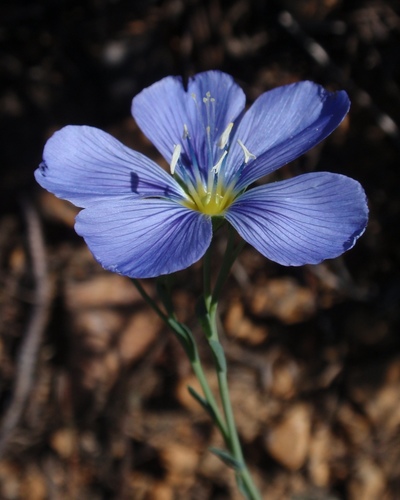
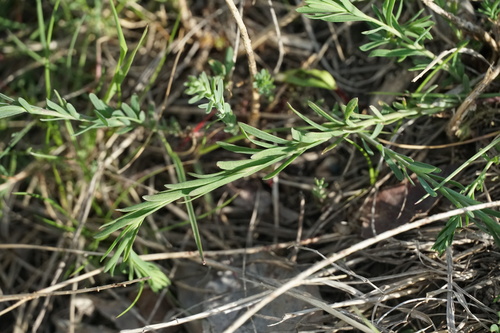
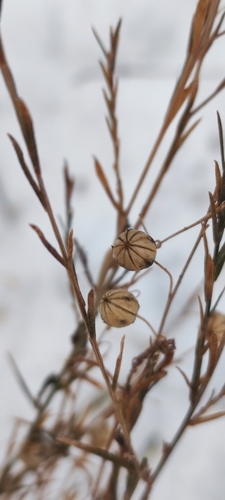
Blue Flax
Linum lewisii
Care
full sun
very low
Fast, Medium, Slow; Prefers sandy or loamy soils. Does not grow well in clay soils.
2–3ft tall
Mar-Aug
Deciduous
Resistant
Friendly
Prized
Seeds used to extract linseed oil; seeds edible whole or ground
Grasslands and open woodlands throughout California mountains and foothills, 500-6000 ft elevation, extending to Oregon and east
Care Guide
Planting
Plant Blue Flax in full sun and well-draining soil - this is non-negotiable. If you have clay soil, amend it heavily with sand or loam, or choose a different spot; this plant simply won't thrive in clay. Spring or early summer is ideal for planting in the Bay Area. Space plants about 1.5 feet apart since they grow quickly to 1–1.5 feet tall.
After Planting
Water weekly for the first summer to establish the plant, then drastically cut back - Blue Flax needs very low water once established and actually prefers dry conditions. After year one, you can forget about supplemental watering except during severe drought. The #1 mistake is overwatering; this plant will rot if kept consistently moist. Deadheading spent flowers will encourage blooming throughout summer, and you can cut back any leggy growth in late winter before new spring growth appears.
Endangered & Threatened Species Supported
California Threatened; Species of Special Concern
California Species of Special Concern; monarch populations declining
California Species of Special Concern; limited distribution
Wildlife Supported
Insects

Larval host plant; endemic California species in semi-arid regions

Larval food plant for multiple generations; critical during spring/fall migration corridors

Persistent nectarivore; multiple generations throughout warm months

Fungal pathogen; indicates plant presence and natural disease dynamics

Larval food plant; early-season emergence support

Larval development host; supports multiple broods in California