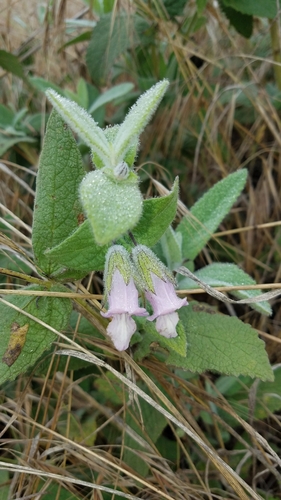
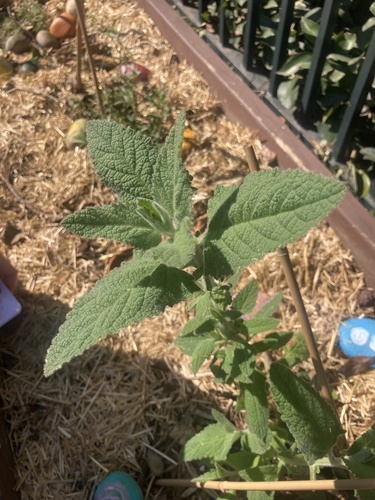
Fragrant Pitcher Sage
Lepechinia fragrans
Care
full sun, part shade
low
Fast, Medium, Slow; Tolerant of a variety of soils as long as adequate moisture is present.
3–5ft tall , 3–5ft wide
Mar-Nov
Evergreen
Resistant
Friendly
Yes
Prized
Leaves brewed as tea; aromatic leaves used as seasoning
Coastal scrub and chaparral of San Diego and Orange Counties, below 2000 ft elevation, extending to Baja California
Care Guide
Planting
Plant your fragrant pitcher sage in full sun to part shade in a spot with good drainage - it tolerates fast, medium, or slow-draining soils as long as moisture is adequate. Space it according to your desired mature size of 3–5 feet tall. Fall through spring is ideal for planting in the Bay Area. This is a California native that thrives in the types of conditions found in chaparral and rocky slopes, so it's quite forgiving about soil type.
After Planting
Water weekly during the first summer to establish the plant, then taper off once it's established - by year two, you'll only need to water about once a month during summer, or less if you get rain. Prune to shape as desired, but avoid cutting into old woody growth, which doesn't regenerate well. Your fragrant pitcher sage is evergreen and will bloom from March through November with minimal fussing. The #1 mistake is overwatering: this is a drought-tolerant plant that prefers dry conditions once established, so err on the side of too dry rather than too wet.
Visit Calscape for more information about Fragrant Pitcher Sage
Wildlife Supported
Birds

Year-round resident in California; critical nectar source during winter months and breeding season
Insects

Spring-active native bee; forages on fragrant blooms during early season nesting period

Larval host plant; supports bumblebee colony development in spring and early summer

Spring forager; collects pollen for provisioning brood cells

Phytophagous; feeds on plant sap during growing season

Summer herbivory; feeds on foliage during warm months