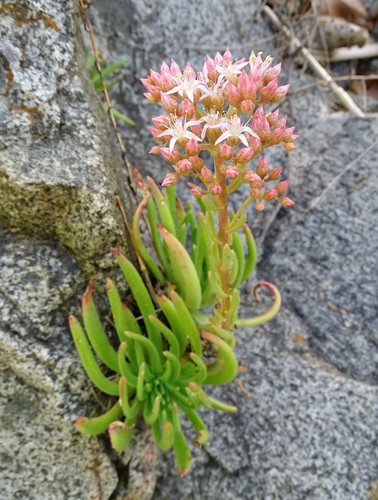
Sticky Dudleya
Dudleya viscida
Care
very low
0–1ft tall
Resistant
Friendly
Leaves eaten raw or cooked; succulent leaves as food
Coastal bluffs and sandy areas from Ventura to San Diego counties, below 1000 ft elevation.
Care Guide
Planting
Plant your sticky dudleya in a location that mimics its native habitat: rocky, well-draining soil on a slope or elevated area. This rare succulent thrives in lean conditions, so avoid rich garden soil and amend heavy clay with coarse sand or gravel to ensure water drains quickly away from the roots. Space plants with enough room for air circulation, and note that while sun requirements aren't specified in available data, this coastal bluff native will likely prefer bright conditions - start with a spot that gets good light and monitor for signs of stress.
After Planting
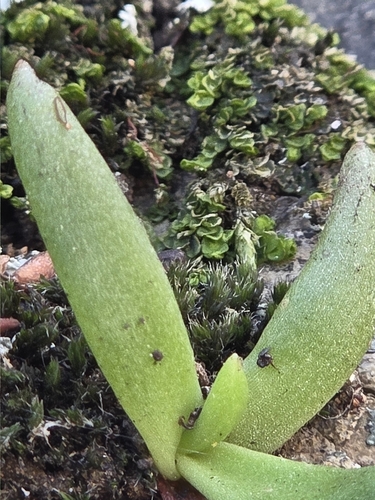
After planting, water sparingly and only when the soil is completely dry; this is a very low water plant that evolved to survive drought. Once established, you should rarely need to water except during extreme heat or extended dry spells - overwatering is the primary killer of Dudleya. The sticky, resinous coating on the leaves is normal and actually helps the plant conserve moisture, so don't attempt to clean it off.
Endangered & Threatened Species Supported
Listed under ESA and CESA
Wildlife Supported
Insects
Early spring foraging for nest provisions; Dudleya viscida provides pollen resources during critical nesting period
Spring foraging period; pollen source for newly emerged females establishing nests
Early season pollen foraging during nest initiation and brood rearing

Spring foraging when other nectar sources limited; pollen provision for colony
Spring emergence and early brood provisioning; reliable early pollen source
Spring and early summer pollen collection for larvae provisioning
Birds
Nesting habitat in coastal bluff scrub where Dudleya viscida occurs; vegetation cover for nest sites