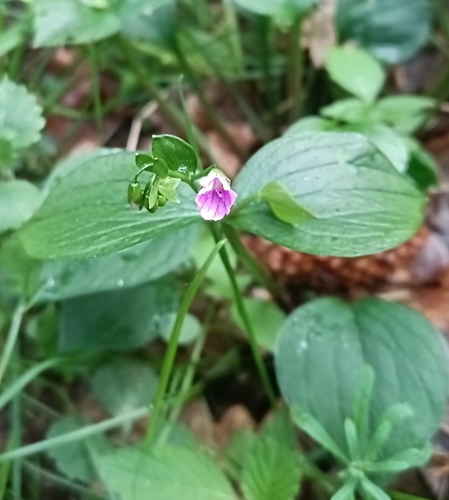
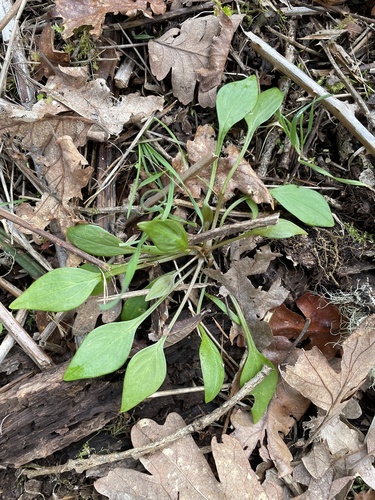
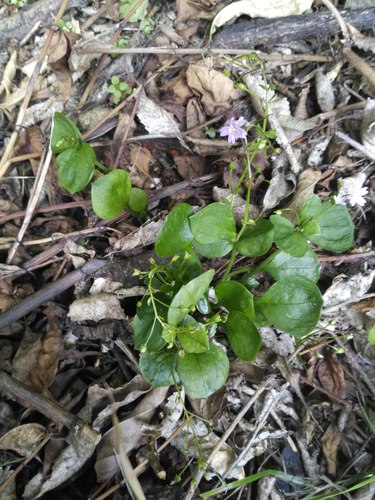
Petrolia Pink Springbeauty
Claytonia sibirica 'Petrolia Pink'
Care
part shade
moderate
Fast, Standing; Prefers sandy acidic forest soil.
2–2ft tall
Mar-May
Friendly
Prized
Corms eaten roasted or boiled; traditional Indigenous food
Coastal prairie and wetland margins along the Humboldt and Mendocino coasts of northern California, near sea level.
Care Guide
Planting
Plant Petrolia Pink Springbeauty in part shade with fast-draining soil - it thrives in sandy, acidic forest soil like what you'd find under Bay Area oaks and conifers. Space plants about 2 feet apart to account for their mature size. Plant in fall or early spring to give this short-lived perennial time to establish before its flowering season (March through May). Make sure your planting spot doesn't hold standing water, as this plant needs good drainage despite preferring moderate moisture.
After Planting
Water moderately during the growing season and through flowering, keeping soil consistently moist but not waterlogged. Since this is a short-lived perennial or annual, expect it to decline after flowering - this is normal behavior, not a sign you've failed. The #1 mistake is overwatering or planting in heavy clay or poorly draining soil; these plants come from moist woods with loose forest soil, not swamps, so drainage is critical to keeping them alive.
Visit Calscape for more information about Petrolia Pink Springbeauty
Wildlife Supported
Insects
Early season nectar resource for overwintered bees in coastal California foothills

Early spring forager on emerging Claytonia flowers
Fungal pathogen; endemic host relationship documented in herbarium records
Spring pollen collection for brood provisioning
Spring foraging on low-growing springbeauty flowers
Birds

Indirect consumption via insect prey during spring migration