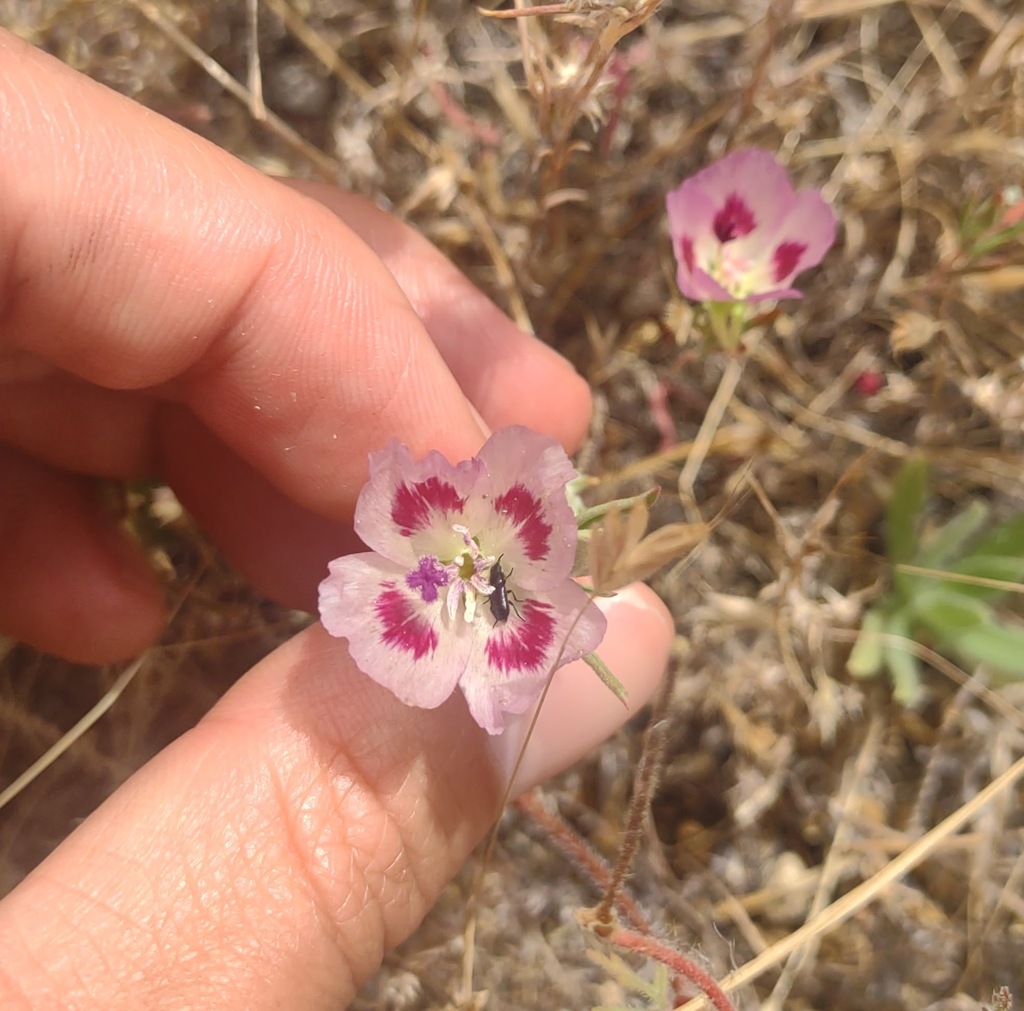
Red-Spot Clarkia
Clarkia speciosa
Care
full sun, part shade
very low
Fast, Medium, Slow; Adaptable.
2–2ft tall , 1–1ft wide
Mar-Aug
Friendly
Prized
Coastal scrub and chaparral from the San Francisco Bay Area to Santa Barbara County, below 2000 ft elevation.
Care Guide
Planting
Plant Red-Spot Clarkia in full sun with well-draining soil - it thrives in the sandy, fast-draining conditions of California's chaparral and foothill woodlands. The plant is adaptable to fast, medium, or slow drainage, so don't stress too much about soil type, but avoid waterlogged spots. Spring is the ideal planting time to let it establish before summer. Pair it with other California natives like poppies, gilia, wallflowers, or small succulents like Dudleya for a natural look.
After Planting
Water very lightly after planting - this is a drought-adapted native that needs almost no supplemental water once established. Clarkia speciosa blooms from March through August, and the plant naturally dies back after flowering, so expect it to fade as summer heat intensifies; this is normal and not a sign of failure. The biggest mistake gardeners make is overwatering: resist the urge to coddle this tough wildflower, as excess moisture is far more likely to kill it than drought.
Wildlife Supported
Insects
Early spring pollen source for nesting females
Spring forage for pollen and nectar
Larval and adult herbivory during flowering period
Nectar source for adults during breeding season
Larval and adult feeding on foliage during plant growth
Spring nectar foraging during colony establishment