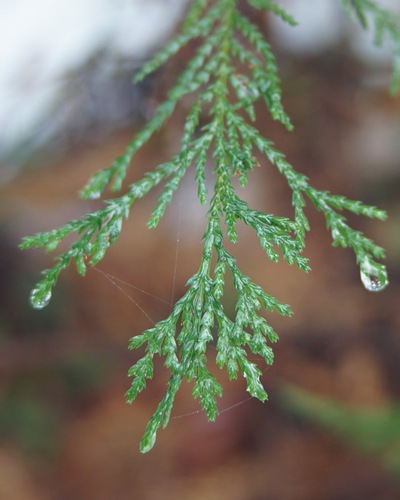
Port Orford Cedar
Chamaecyparis lawsoniana
Care
part shade
moderate
Fast, Medium; Prefers moist, well-drained, neutral to slightly acidic soil or sandy and clay loams and rocky ridges.
40–200ft tall , 26–26ft wide
Mar-May
Evergreen
Resistant
Southern Oregon and northwestern California in Curry and Del Norte counties; naturally occurring in California only in a small area near the Oregon border.
Care Guide
Planting
Plant your Port Orford Cedar in part shade with fast to medium draining soil that's moist, well-drained, and neutral to slightly acidic - sandy and clay loams work well. This tree needs room to grow; space it accordingly since it can eventually reach 40–200 feet tall, though it's uncommon in residential gardens for this reason. Plant in fall or winter for best establishment, and ensure the soil drains well to prevent moisture issues.
After Planting
Water moderately during the first year; once established, you'll only need to water a maximum of 3 times per month during summer. Prune only dead branches in winter when wood-boring insects are less active, and never cut into living wood. Expect the tree to grow slowly and steadily as an evergreen; it's deer resistant, so wildlife won't be an issue. The biggest mistake is overwatering or planting in poorly draining soil, which stresses this tree that evolved in well-drained mountain valleys.
Wildlife Supported
Insects
Oomycete pathogen causing root necrosis and tree mortality; spread by water and soil

Larval galleries tunnel through bark and wood; galleries visible year-round

Larvae develop in bark; particularly attacks stressed or recently felled trees

Galleries tunnel through sapwood; beetles carry symbiotic fungal partners

Sap-feeding pest on foliage and twigs; populations peak in summer

Larvae feed on foliage within rolled leaves; multiple generations possible

Feeds on cypress foliage; can cause needle yellowing in heavy infestations

Larvae feed under bark of dead or stressed trees; adults emerge in summer
+3 more species
Birds

Occasional winter visitor to Pacific Northwest; feeds on conifer seeds