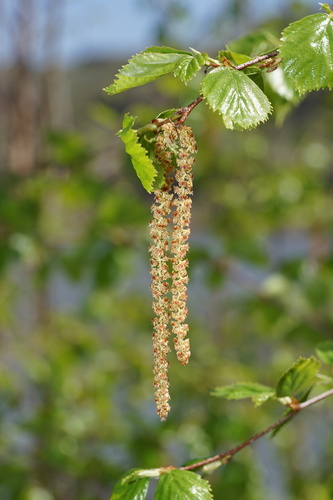
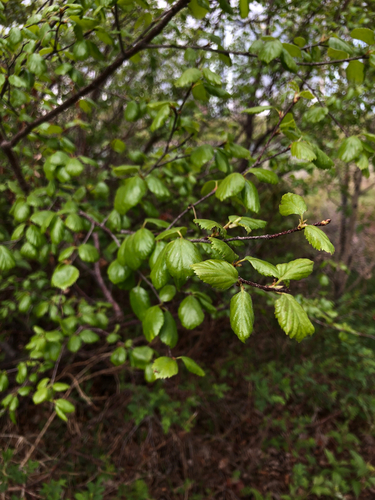
Water Birch
Betula occidentalis
Care
part shade
high
Medium; Prefers coarse-textured, moist to wet soils.
25–33ft tall , 25–25ft wide
Mar-May
Deciduous
Supports up to 187 butterfly and moth species in Mediterranean California
Riparian areas and stream banks in the Sierra Nevada and Cascade regions of northeastern California, 4000-8000 ft elevation, extending to Oregon and Washington
Care Guide
Planting
Plant your Water Birch in partial shade to deep shade, in soil that drains well but stays consistently moist - it naturally grows along mountain streams, so it loves moisture. Choose a spot with medium drainage and coarse-textured soil if possible; avoid compacted clay. Plant in spring or fall, spacing it where it has room to grow into a multi-trunked shrub or small tree (10 meters tall). This is a cold-hardy plant that thrives in Bay Area conditions, especially in cooler microclimates or higher elevations.
After Planting
Water weekly for the first summer to establish strong roots, then taper to about 3 times per month during summer once established. Water Birch is deciduous, so it will drop its leaves in fall and go dormant - this is normal. The biggest mistake people make is planting this moisture-loving birch in dry, sunny spots or letting it dry out during establishment; keep the soil consistently moist, especially in year one. Prune only as needed to maintain shape, since the data doesn't specify a particular pruning schedule.
Wildlife Supported
Birds

year-round resident in mountain riparian; seeds important winter food source

dabbling ducks consume birch seeds along riparian corridors during migration staging and wintering

specialized seed extraction from birch catkins; irruptive forager exploiting mast crops
Insects

larval host plant for cone and catkin feeding

larvae and adults feed on birch leaves during growing season
nymphs and adults feed on sap from birch leaves and stems

larvae feed on birch foliage and catkins

larvae tunnel under bark and in wood; important natural mortality agent for stressed trees

feeds on birch leaves during active growing period