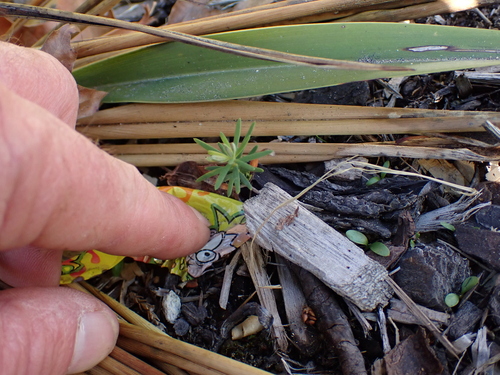
Coast Redwood
Sequoia sempervirens
Care
full sun, part shade
moderate
deep, moist, well-drained; acidic preferred
60–100ft tall , 15–30ft wide
Evergreen
Resistant
Coastal fog belt from southern Oregon to Big Sur
Small inconspicuous cones
World's tallest tree species; needs fog or regular water; fast growing
Care Guide
Planting
Plant your coast redwood in deep, moist soil with high organic content and good drainage - ideally in a location that mimics woodland conditions. Choose a spot in full sun or part shade, away from buildings and structures where falling branches won't cause damage. Space it where it has room to grow tall (these trees reach 60–100 feet), and if possible, plant multiple redwoods together; they actually support each other through interconnected root networks and benefit from companionship. Fall and winter are your best planting seasons in the Bay Area, when the soil is naturally moist.
After Planting
Water your redwood regularly during its first growing season to keep the soil consistently moist, then gradually reduce to once monthly or less during summer once established - these trees thrive on fog and seasonal rain, not constant watering. Don't worry if inner needles turn brown and drop in late summer; this is completely normal. Leave fallen needles on the soil; they protect the roots and decompose into valuable nutrients. The biggest mistake Bay Area gardeners make is overwatering established trees in our Mediterranean climate - remember, redwoods evolved in foggy, naturally moist forests, not irrigated yards.
Endangered & Threatened Species Supported
Old-growth forest dependent seabird
Wildlife Supported
Birds

Requires old-growth coast redwood canopy for nest platforms; April-June breeding season

Cavity nesting in old-growth redwood snags; critical April-July breeding season
Multiple woodpecker species excavate cavities in redwood for nesting April-July
Insects

Larvae bore through heartwood; multi-year development cycle

Larvae tunnel through cambium and wood; moths emerge June-August

Decomposes deadwood; fall fruiting on damp logs and debris

Can infect coast redwoods; water-dispersed via sporangia in wet conditions
Arachnids

Webs in protected microsites on redwood bark and branches