Woodland Strawberry
Fragaria vesca
Care
part shade, full shade
moderate
moist, humus-rich, well-drained
0–0ft tall , 0–1ft wide
Mar-Jun · white
Evergreen
Friendly
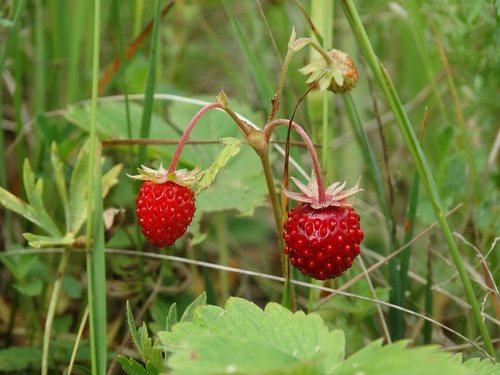
Small red berries eaten fresh; highly aromatic and sweet
Supports up to 62 butterfly and moth species in Mediterranean California
Throughout California in moist shaded areas
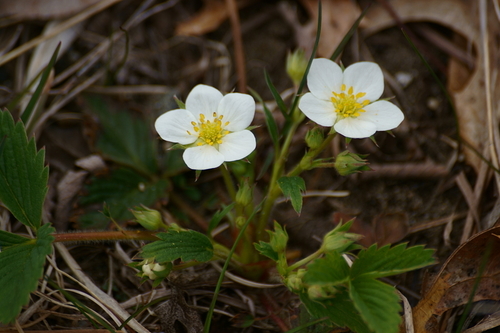
Small white five-petaled flowers followed by tiny sweet strawberries
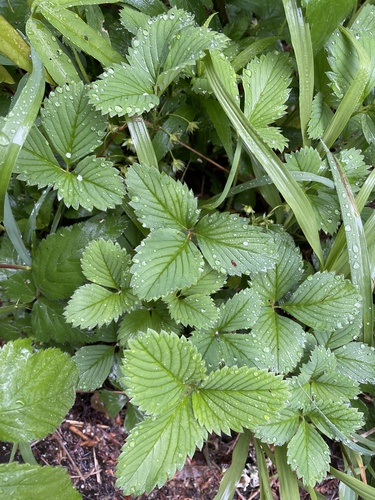
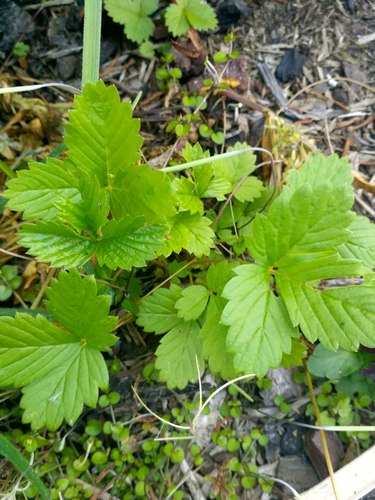
Delicious tiny berries; spreads by runners; excellent shady groundcover
Care Guide
Planting
Plant Woodland Strawberry in a shady area of your yard - it thrives in part shade to full shade and tolerates both moist and dry conditions once established. It grows well along pathways, between stepping stones, under mature trees and shrubs, or amongst ferns. This plant is tolerant of clay and garden soil and doesn't require special drainage, though it prefers moist, humus-rich soil. Plant in early spring as new growth appears.
After Planting
Water moderately during the first growing season to establish the plant, then reduce to a maximum of 3 times per month once established. Woodland Strawberry spreads via underground rhizomes and above-ground runners; in early spring, you can dig up and relocate rooted runners to propagate new plants or contain spread. The #1 mistake is overwatering established plants - they're quite drought-tolerant in shade, so err on the dry side rather than keeping the soil constantly wet.
Visit Calscape for more information about Woodland Strawberry
Wildlife Supported
Insects

Primary nectar and pollen source during bloom Mar-Jun

Early spring pollinator; critical for queen foraging Apr-May

Pollinator throughout flowering season Mar-Jun

Early spring forager; specialized pollen collection Mar-May

Pollinator during peak bloom Mar-Jun; supports colony growth

Adult nectar forager during flowering season Apr-Jun

Frequent flower visitor during bloom period Apr-Jun

Spring pollinator providing pollen for larval provisions
+2 more species
Birds

Berries consumed during breeding season; supports nestling provisioning Mar-Jun

Primary fruit consumer; critical winter food resource

Berries support breeding season diet Mar-Jun
Mammals

Supplemental diet during lactation and kit-rearing Mar-Jun

Berries consumed during breeding season Mar-Jun