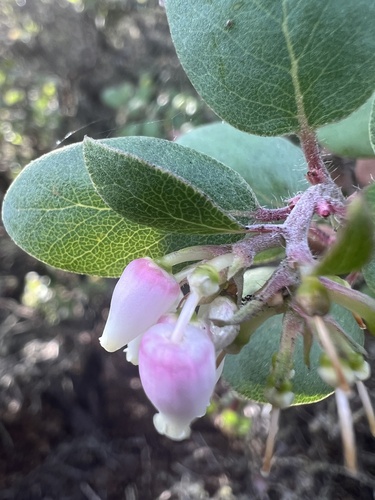
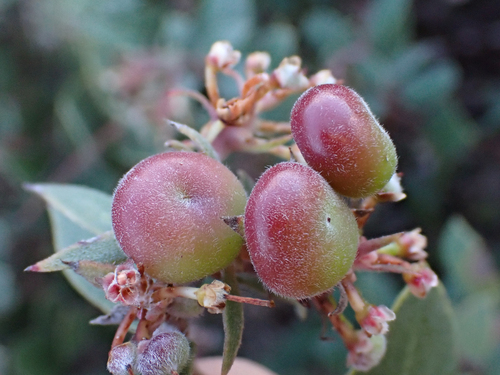
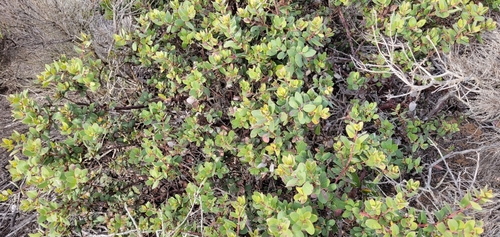
Morro Manzanita
Arctostaphylos morroensis
Care
full sun, part shade
low
Fast; Prefers sand or sandstone.
6–13ft tall , 16–16ft wide
Jan-Dec
Evergreen
Resistant
Prized
Berries eaten fresh or made into cider; traditional Indigenous use
Supports up to 68 butterfly and moth species in Mediterranean California
Coastal dunes and chaparral near Morro Bay and surrounding areas of San Luis Obispo County, below 1000 ft elevation
Care Guide
Planting
Plant Morro Manzanita in full sun in fast-draining soil - ideally sand or sandstone, which matches its native coastal cliff habitat. This is a spreading shrub that will grow wider than it is tall (up to 13 feet wide), so give it room and plant in fall or winter for best establishment. Excellent drainage is non-negotiable; amend heavy Bay Area clay soil with sand if necessary, as poor drainage is the quickest way to kill this plant.
After Planting
Water weekly through your first summer, then cut back to a maximum of twice monthly once established - this is a low-water plant that thrives on neglect once its roots are deep. Prune lightly after flowering (winter into spring) to maintain shape, but avoid heavy cutting. The #1 mistake is overwatering: Morro Manzanita comes from dry sandy cliffs and will rot if kept moist, so err on the dry side year-round.
Wildlife Supported
Insects

Specialized host-specific aphid on Arctostaphylos morroensis

Predatory beetle foraging on manzanita for aphids and scale insects
Mammals

Browse manzanita foliage during winter and drought periods; important browse species
Birds

Uses dense manzanita shrubs for nesting substrate in scrubland habitat