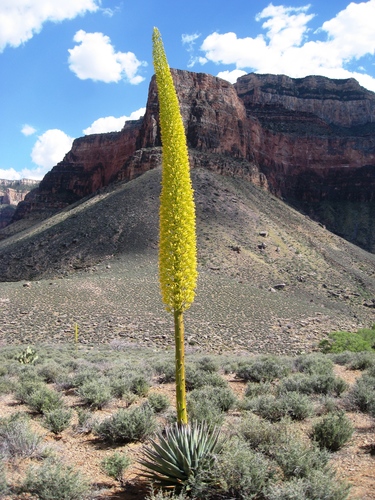
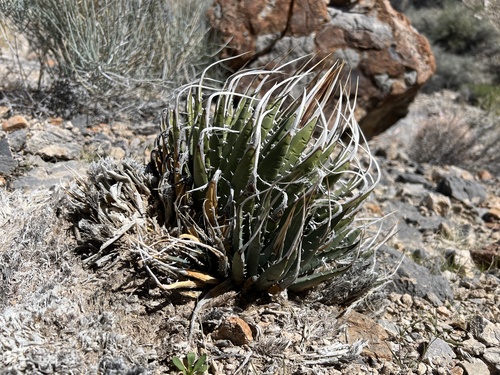
Utah Agave
Agave utahensis
Care
full sun, part shade
very low
Fast; Prefers sandy, gravelly or rocky soil.
1–2ft tall , 2–2ft wide
Mar-May
Evergreen
Resistant
Friendly
Hearts cooked; traditional Indigenous food preparation
Desert and semi-arid areas of southern California and the Mojave Desert regions, 2000-4000 ft elevation, extending to Nevada, Utah, and Arizona.
Care Guide
Planting
Plant your Utah agave in full sun in fast-draining soil - sandy, gravelly, or rocky soil is ideal. Choose a spot with excellent drainage since this high-desert native demands it; if your Bay Area soil tends toward clay, amend heavily or plant in a container. Plant in spring for best establishment, and space according to mature size (1–2 feet tall), keeping in mind this rosette will stay relatively compact compared to other agaves.
After Planting
Water deeply when you first plant, then back off quickly - this agave needs extremely low water once established and should never be irrigated in summer. By year two, you're essentially done watering; let rainfall handle it. The #1 mistake is overwatering, which leads to rot; if you're thinking "it needs a drink," it probably doesn't. Watch for the tall yellow flower spike that appears after many years of growth; after flowering, the main rosette dies but will leave behind small pups to start again.
Endangered & Threatened Species Supported
Desert tortoise, critical habitat designated
Two-striped garter snake, Southern California endemic
California threatened species; population decline in state
Wildlife Supported
Insects

Larval host plant for caterpillar development in spring months

Caterpillar host plant in desert scrub habitat

Nectar foraging during agave bloom (April-May)

Pollen source during agave flowering period
Mammals

Browse on young leaves during drought periods
Reptiles

Protective shelter within agave rosette structure

Spring browse on tender leaves during active season

Shelter among dense basal leaf clusters

Refuge and microhabitat among agave leaves