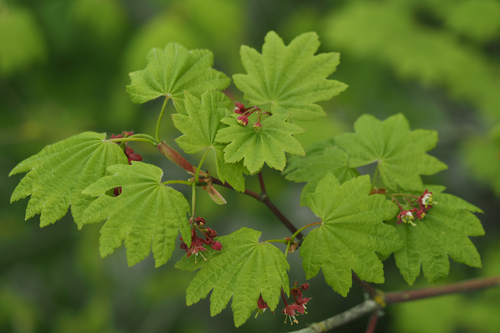
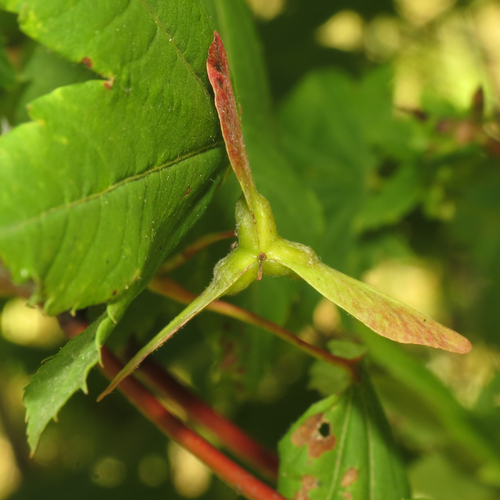
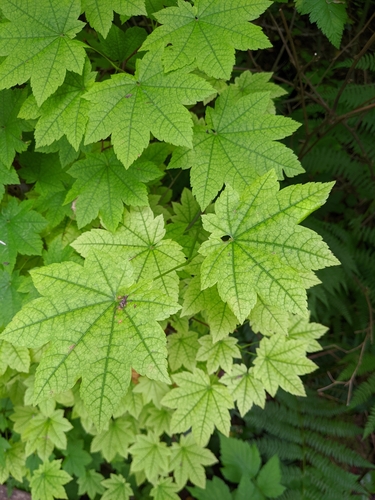
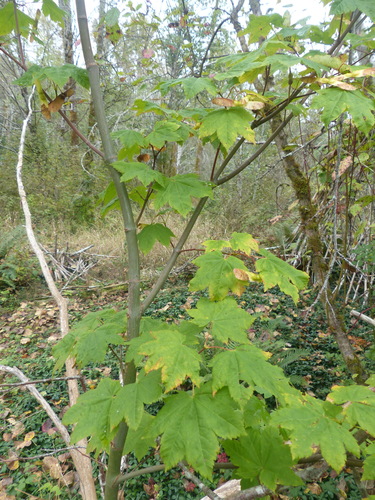
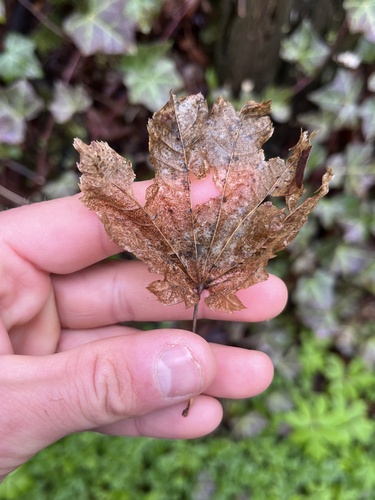
Vine Maple
Acer circinatum
Care
part shade
moderate
Fast, Medium, Slow; Fine with many types of soil as long as well draining.
15–30ft tall , 3–6ft wide
Mar-May
Deciduous
Resistant
Supports up to 120 butterfly and moth species in Mediterranean California
Moist riparian and canyon areas of the North Coast Ranges from Humboldt County to Santa Cruz County, sea level to 2000 ft elevation, extending north to Washington.
Care Guide
Planting
Plant your Vine Maple in partial shade, ideally mimicking the understory conditions where it naturally grows - it can tolerate deep shade but prefers some filtered light. The Bay Area's mild winters make fall through early spring the best planting window. This plant is flexible about soil type as long as drainage is adequate; it thrives in fast to medium drainage but can tolerate slower draining soils if they're not waterlogged. Space it with room to reach 15–30 feet tall at maturity, depending on whether you're growing it as a large shrub or small tree.
After Planting
Water moderately and consistently through your first growing season and summer, then you can stop irrigating once established - this plant handles our dry summers well. Year one is about getting the root system settled; expect some new growth and possibly spring flowers (March–May) even in the first year. Vine Maple is deciduous, so it will drop its leaves in fall, which is completely normal. The biggest mistake is overwatering after establishment; resist the urge to irrigate your mature plant during summer drought.
Endangered & Threatened Species Supported
California Species of Special Concern
Wildlife Supported
Insects
Uses leaf sections for nest construction in late spring

Larvae feed on developing foliage in spring

Parasitic fungus provides structural habitat for wood-dwelling organisms

Wood-boring larvae develop in dead wood and branches

Harvests leaf sections for brood cell construction

Larvae consume foliage during spring growth period

Spring larval feeding on new leaves

Uses resin and leaf material for propolis production
+3 more species