← Back to results

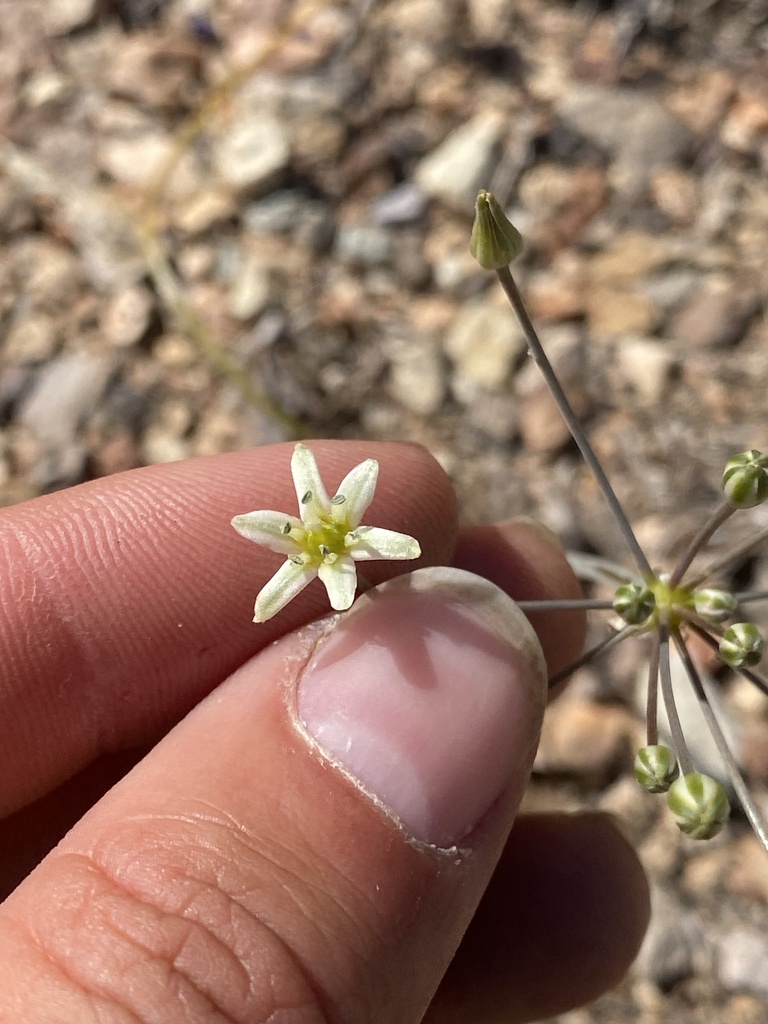
Common Muilla

Muilla maritima

geophyte View on Calscape

Care

Sun

full sun, part shade

Size

1–2ft tall

Deer

Resistant

Container

Friendly

Flowers

Prized

Edible

Bulbs eaten raw or cooked; traditional Indigenous food

Native Range

Coastal grasslands and valleys from Monterey County to San Luis Obispo County, below 1000 ft elevation.

Care Guide

Planting

Plant Common Muilla in full sun to part shade in a location with good drainage, since it grows naturally across diverse California habitats from coastal grasslands to desert and mountain foothills. The best time to plant is in fall or early winter, when the corm can establish roots before the growing season. Space plants about 6 inches apart to allow room for the 60-centimeter-long basal leaves to develop.

After Planting

Water regularly during the first growing season to help establish the plant, then transition to minimal supplemental water once established, since Common Muilla is adapted to survive with natural rainfall across its wide native range. The plant will go dormant after flowering and die back to the corm during summer - this is normal and expected. The most common mistake is overwatering during dormancy; once leaves start to yellow and fade, stop watering and let the plant rest until new growth appears in fall.

Visit Calscape for more information about Common Muilla

Endangered & Threatened Species Supported

Edith's checkerspot butterfly Euphydryas editha
CA: Endangered

Some subspecies federally protected; species has state endangered designation

Wildlife Supported

Insects

Larval Host · Spring

Caterpillars feed on emerging foliage in early spring after winter dormancy

mod Ants
Shelter · Year-Round

Nesting and foraging around bulb areas and root systems

mod Beeflies
Pollen · Spring

Spring flower visitors during Muilla maritima blooming

Larval Host · Year-Round

Associated with bulb decomposition and senescent plant material

mod Hover Fly
Pollen · Spring

Adults visit flowers during brief blooming period for pollen and nectar

Larval Host · Year-Round

Larvae feed on bulb tissues and stored plant material in dormancy period

Where to Buy

Native Here Nursery

101 Golf Course Dr, Tilden Regional Park, Berkeley

Sat 10am-2pm

3.0 mi (510) 549-0211 Website