← Back to results

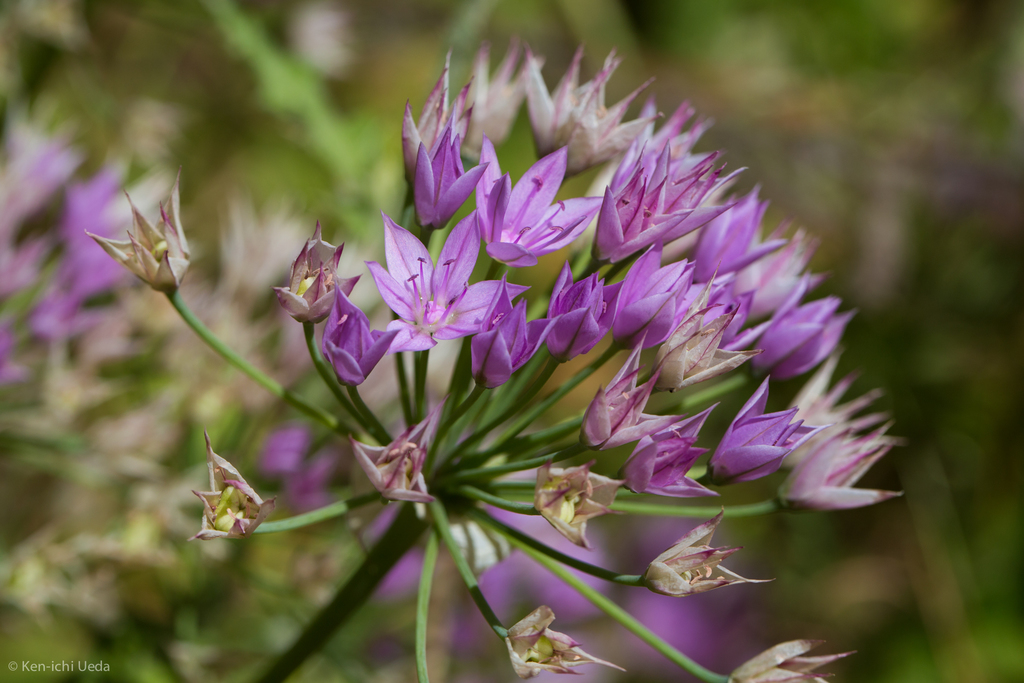
American Garlic

Allium unifolium

geophyte View on Calscape

Care

Sun

part shade

Water

moderate

Soil

Slow; Prefers heavy soils but tolerates a variety of garden soils. Tolerates serpentine soils.

Size

1–3ft tall , 0–0ft wide

Bloom

Mar-May

Foliage

Deciduous

Deer

Resistant

Container

Friendly

Fragrant

Yes

Edible

Bulbs and entire plant eaten raw or cooked; traditional Indigenous garlic substitute

Native Range

Interior valleys and foothills of northern and central California from the Sacramento Valley to the San Francisco Bay Area, 200-2000 ft elevation.

Care Guide

Planting

Plant American garlic in part shade with heavy or clay soil - it actually prefers these conditions and even tolerates serpentine soils, so don't amend unless your soil drains too quickly. Plant in fall or early spring before the growing season. Space bulbs about 6 inches apart, as they'll spread via rhizomes to form colonies. This is a low-fuss plant for Bay Area gardens and works equally well in the ground or containers.

After Planting

Water moderately during the first growing season to establish the plant, then stop irrigating once it's established - it needs no summer water after year one. Expect pink or white flowers in spring (March–May), followed by the foliage dying back as the plant goes dormant in summer; this is normal and means you can cut it back. The biggest mistake is overwatering in summer when the plant is dormant. After establishment, American garlic is essentially hands-off and cold-hardy to 10°F.

Visit Calscape for more information about American Garlic

Endangered & Threatened Species Supported

California ringlet butterfly Coenonympha california
CA: Threatened

California state threatened species

Purple copper Tharsalea helloides
CA Special Concern

California species of special concern

Wildlife Supported

Insects

Nectar · Year-Round

Early season nectar availability

Nectar · Year-Round

Nectar source during flight season

Larval Host · Year-Round

Larval development in bulbs during growing season

Nectar · Spring

Spring bloom period coincides with adult activity

Nectar · Year-Round

Nectar source during flight season

Where to Buy

East Bay Wilds

2110 Eighth St, Suite 202, Berkeley

Fri 9:30am-4pm (occasional Sat, call ahead)

1.5 mi (510) 409-5858 Website
Native Here Nursery

101 Golf Course Dr, Tilden Regional Park, Berkeley

Sat 10am-2pm

3.0 mi (510) 549-0211 Website