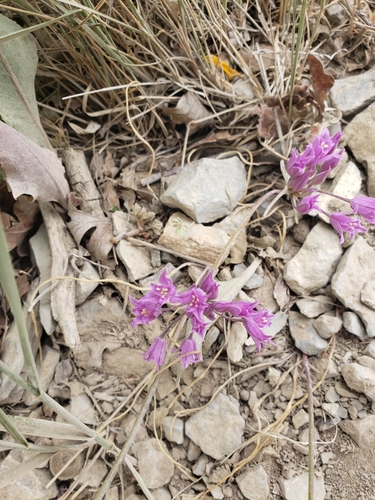
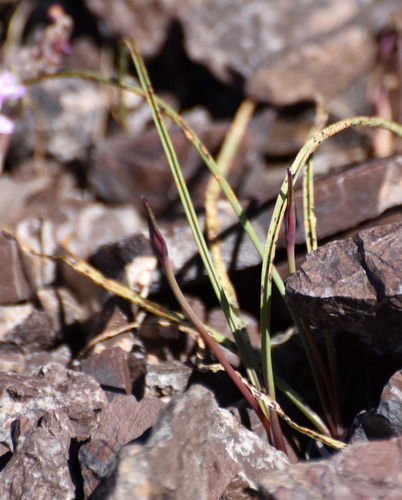
Hooker's Onion
Allium acuminatum
Care
part shade
moderate
Prefers sandy or loamy soils. Does not grow well in clay soils.
1–1ft tall
Jun-Aug
Resistant
Friendly
Yes
Prized
Bulbs eaten raw or cooked; traditional Indigenous food
Interior valleys and foothills of northern and central California from the Sacramento Valley to the Diablo Range, 500-3000 ft elevation.
Care Guide
Planting
Plant Hooker's onion in well-draining sandy or loamy soil - avoid clay at all costs, as it will cause the bulbs to rot. Choose a spot with partial shade and space bulbs a few inches apart. Plant in fall or early spring to match the natural harvest timing of this Western native.
After Planting
Water moderately during the growing season, then back off as the leaves naturally die back in late spring. The #1 mistake is overwatering or planting in clay soil; this plant wants good drainage and will handle dry conditions once established. Expect flowers on tall stems in summer after the foliage has died, and don't be surprised when the plant goes dormant - that's exactly what it's supposed to do.
Endangered & Threatened Species Supported
California endangered species; native Oregon bee species
Wildlife Supported
Insects

Spring foraging and larval provision

Early spring forager, queen emergence and colony establishment

Spring foraging for colony initiation

Spring pollen source for nesting females and larvae

Early season nectar and pollen source for colony growth

Spring nectar source in California foothills

Early spring pollen collection for brood provisioning

Spring and early summer nectar feeding
+4 more species