Woolly Blue Curls
Trichostema lanatum
Care
full sun
very low
well-drained, sandy or rocky; no clay; no summer water
2–4ft tall , 2–4ft wide
Apr-Aug · blue-violet
Evergreen
Resistant
Friendly
Prized
California Coast Ranges from Monterey to San Diego
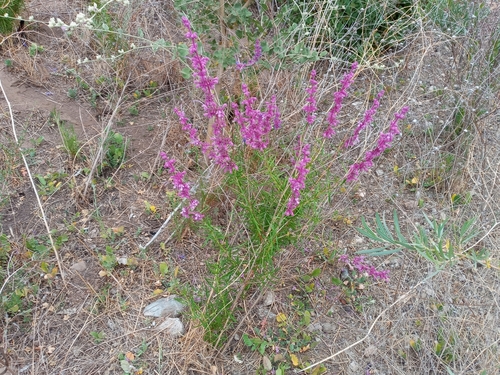
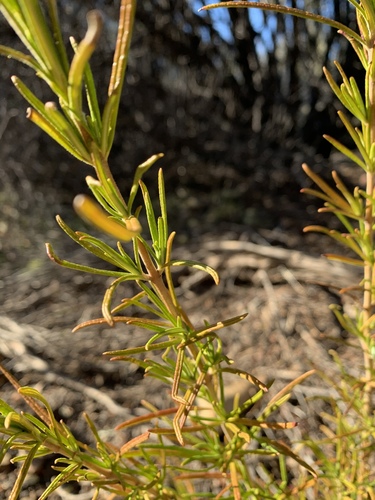
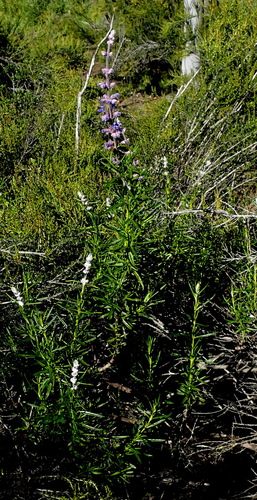
Tall spikes of blue-violet flowers covered in woolly lavender fuzz
One of the showiest California natives; needs perfect drainage
Care Guide
Planting
Plant your Woolly Bluecurls in full sun or part sun in light, well-draining soil - sandy or rocky soil is ideal, and avoid clay at all costs. This plant does well in rocky areas and actively dislikes mulch, so skip it entirely. Space it to accommodate its vigorous first-year growth, which can be impressive; plan for a mature size of 2–4 feet. Plant in fall or winter to give it time to establish before summer heat.
After Planting
Water regularly after planting to help it establish, but once established (typically by late spring/early summer of year one), drastically cut back - no more than once a month in summer, and ideally none at all. This is critical: even occasional summer water can damage or kill an established plant. Expect strong growth in year one, but remember this is a short-lived shrub with a lifespan of around 4–5 years, so enjoy the spectacular blue and lavender blooms while you have it. The #1 mistake Bay Area gardeners make is continuing to water established plants; treat it like a native shrub that thrives on drought once roots are deep.
Endangered & Threatened Species Supported
Federal Threatened; California Endangered; Species of Special Concern
Wildlife Supported
Birds

Critical spring migration staging fuel Mar-May; breeding season resource Apr-Jul

Primary nectar source during breeding season Apr-Aug; supports high metabolic demands
Insects

Nectar source during adult activity Mar-Oct, peak Apr-Aug
Evening and twilight nectar foraging during bloom season and migration periods

Opportunistic nectar foraging during migratory and breeding periods

Nectar resource during adult emergence and breeding Apr-Jul
Specialist larval host; larvae feed on plant tissues year-round due to evergreen foliage