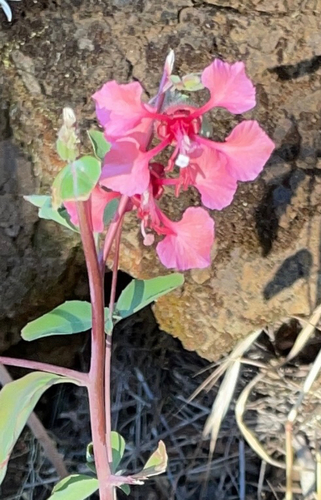
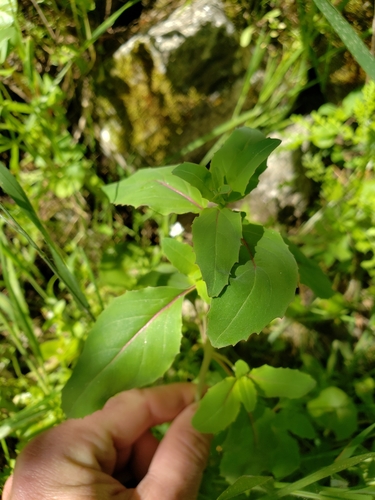
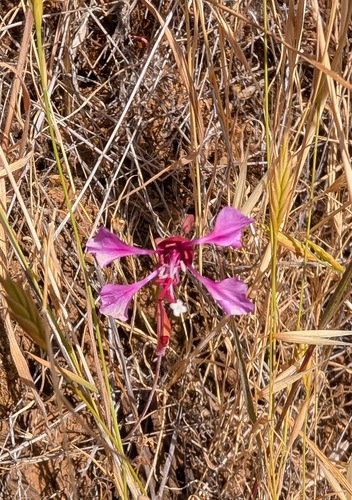
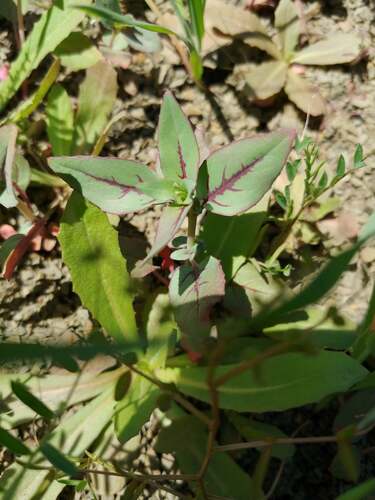
Elegant Clarkia
Clarkia unguiculata
Care
full sun, part shade
very low
well-drained; poor soils fine
1–3ft tall , 0–1ft wide
May-Jul · pink, lavender, salmon
Deciduous
Resistant
Friendly
Prized
California foothills and grasslands throughout the state
Delicate four-petaled flowers with distinctive clawed petal bases
Annual/short-lived perennial; reseeds; great in wildflower meadows
Care Guide
Planting
Plant elegant clarkia seeds in fall and let rain do the work - this is a California native that thrives on winter moisture. Choose a spot with full sun or part shade (it appreciates the latter in hot Bay Area gardens) with well-drained soil; it's adaptable and handles poor soils fine. Space plants to allow for their tall, thin growth (1–3 feet), planting them in the middle or back of beds where their whimsical pink flowers can serve as a backdrop. You can also grow them in containers or create a mini-meadow effect under oak trees with native grasses and wildflowers.
After Planting
Once established, elegant clarkia never needs summer irrigation - don't water once it's going. This is an annual, so after blooming in summer and fall, allow it to self-sow before cutting back dead stocks in fall; this gives you free plants next year. The #1 mistake is overwatering: treat it like the low-water wildflower it is, and let winter and spring rains handle everything. Year one is essentially hands-off after planting seeds in fall.
Endangered & Threatened Species Supported
Known from very limited California locations
Wildlife Supported
Insects

Larvae feed exclusively on Clarkia foliage Jun-Jul

Specialist Clarkia bee - critical for pollination Jun-Jul

Specialist pollinator May-Jul bloom season

Pollen collection for nesting material and larval food May-Jul

Evening nectar foraging during bloom May-Jul
Birds

Early spring breeding season nectar source Mar-May

Early breeding season nectar source Feb-May

Post-breeding seed consumption Jul-Aug