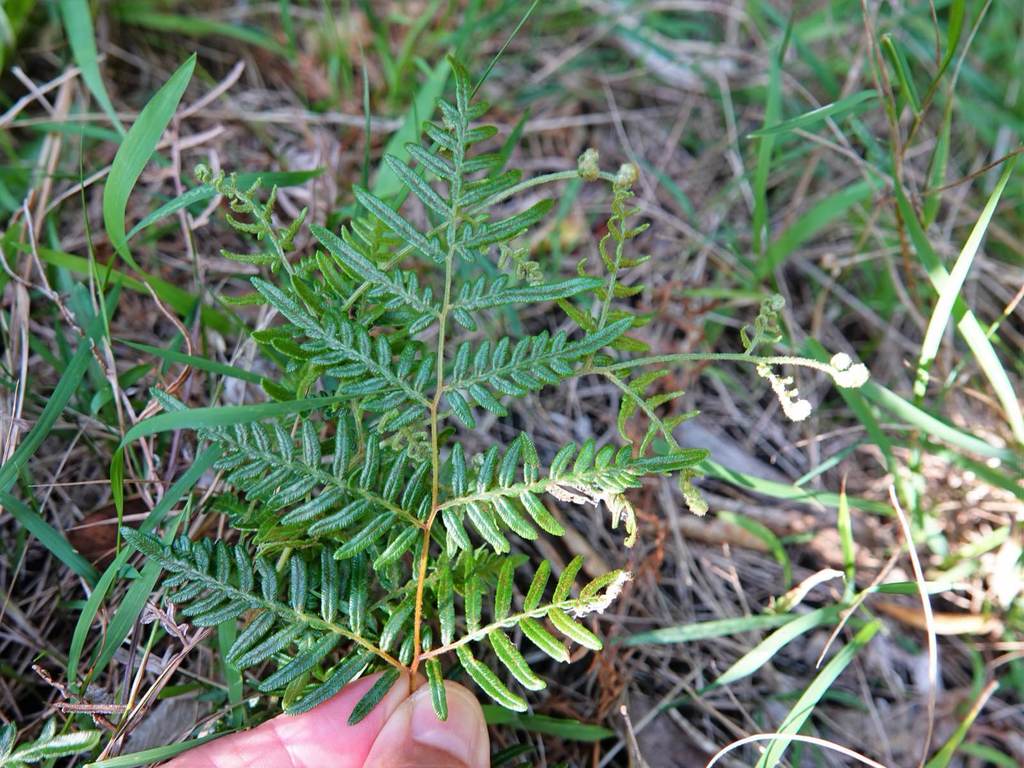
Bracken
Pteridium aquilinum var. pubescens
Insects

Larval development on brackenfern; critical host plant for this pteridophyte specialist

Larval host plant; specialist sawfly on ferns during growing season

Sap-feeding hemipteran specialized on fern fronds; active growing season

Predatory mirid beetle on fern foliage; active during fern growth period

Phytophagous true bug; specialized on pteridium and related ferns

Nesting in dense fern patches; provides shelter for early-season colonies
Mammals

Primary browse species in coastal scrub and oak woodland understory; particularly important winter forage when other vegetation limited
Birds

Forages among fronds for invertebrates; year-round California resident

Winter visitor; forages for small invertebrates in fern understory during irruptive winters

Introduced species; ground forager in dense vegetation including bracken understory

Introduced species established in California; forages in fern understory for invertebrates

Introduced species established in California coastal areas; forages among fronds for arthropods