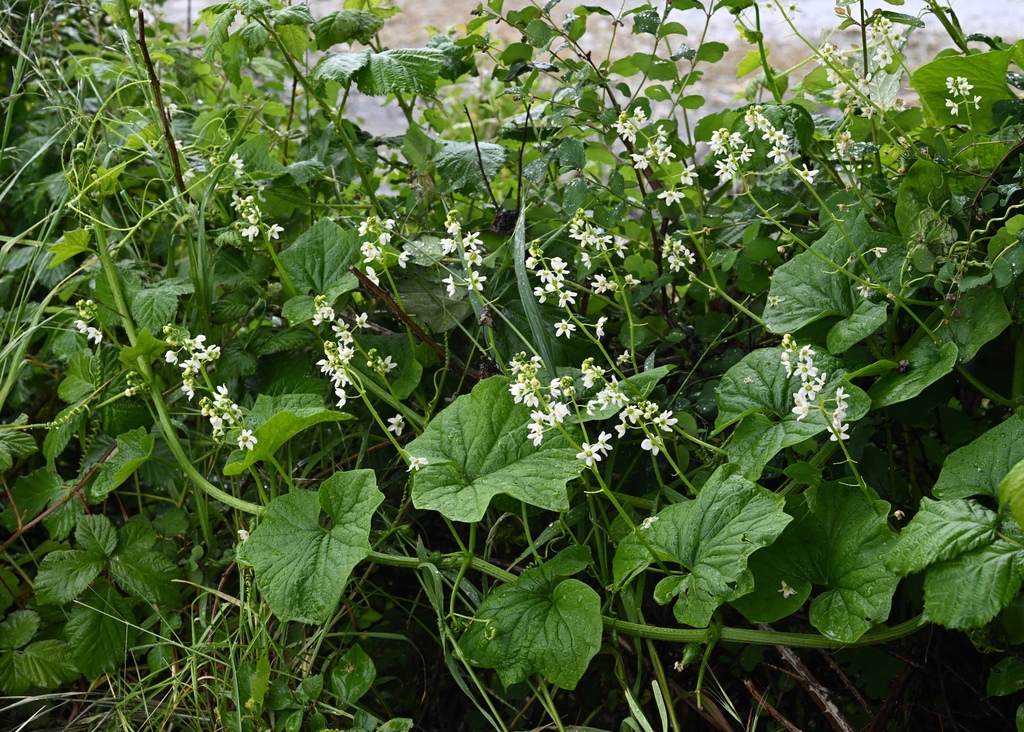
Oregon Bigroot
Marah oregana
Care
part shade
Resistant
Prized
Northwestern California in Siskyou and Trinity Counties, extending north to southern Oregon, 2000-5000 ft elevation.
Care Guide
Planting
Plant Oregon Bigroot in partial shade, ideally in a location that mimics its native habitat in shrubby or open woodland edges. While specific soil requirements aren't documented, choose a spot with good drainage since this is a native perennial vine. Plant in fall or early spring to give it time to establish before summer heat.
After Planting
Water regularly during your first growing season to help the plant establish, then reduce frequency as it matures - native plants are typically drought-tolerant once established, though specific watering schedules aren't available for this species. Expect the plant to die back seasonally as a perennial, and don't be alarmed by dormancy. The biggest mistake is overwatering; since this plant naturally grows in open, well-drained sites, it won't tolerate soggy conditions year-round.
Endangered & Threatened Species Supported
California Threatened; Species of Special Concern
California Species of Special Concern
Wildlife Supported
Insects
Important larval host plant for checkerspot populations
Larval food plant for spring generations
Larval development on Marah species foliage
Specialist forager on Oregon Grape pollen during bloom
Larval food plant for spring brood development
Pollen resource during spring bloom
Nectar foraging during spring bloom period
Spring pollen collection for provisioning nests
+2 more species
Arachnids
Hunting habitat on flowering vine
Vine structure provides habitat and hunting substrate