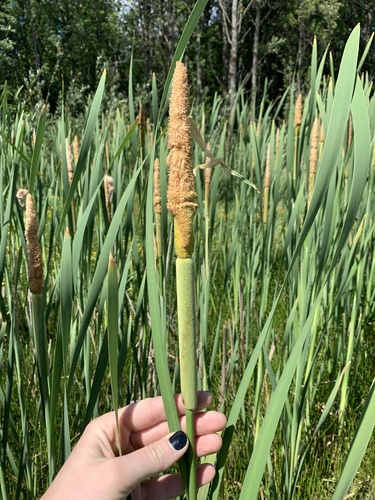
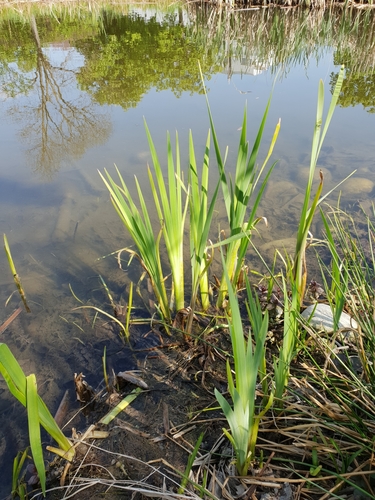
Broad-leaf Cattail
Typha latifolia
Care
full sun
moderate
Fast, Standing; Tolerates a variety of soils as long as it is kept constantly wet.
1–5ft tall
Mar-May
Deciduous
Resistant
Young shoots and rhizomes eaten raw or cooked; traditional food
Marshes, wetlands, and riparian areas throughout California from sea level to 10,000 ft elevation, extending across North America
Care Guide
Planting
Plant your Broadleaf Cattail in full sun in a location where it can stay constantly wet - this is a marsh plant, so think water features, boggy areas, or pond edges rather than typical garden beds. It tolerates a variety of soils as long as moisture is permanent; fast-draining or standing water both work fine. Space it knowing it will grow upright to 5 feet tall with active growth in spring and summer. Plant in spring to give it the full growing season to establish.
After Planting
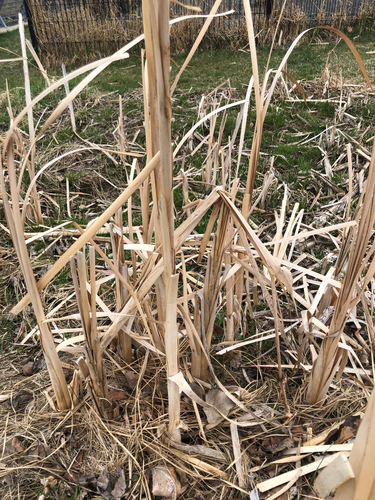
Water deeply and consistently through your first summer - this plant needs constant wetness to thrive, so don't let the soil dry out. As a deciduous perennial, it will die back in fall and winter, which is completely normal; just leave the dead growth standing or cut it back in late winter before new spring growth emerges. The #1 mistake people make is treating this like a regular perennial that prefers dry soil between waterings - Broadleaf Cattail will struggle or die if you let it dry out, so err on the side of too much water rather than too little.
Visit Calscape for more information about Broad-leaf Cattail
Wildlife Supported
Birds

Primary food source during migration and wintering in California wetlands, critical for energy reserves

Dabbling duck migrant, grazes cattail foliage during stopover and wintering periods Oct-Apr

Irregular winter visitor from north, seeds important supplemental food source

Introduced species that grazes emergent vegetation in California wetlands
Insects

Specialist lepidopteran larvae develop inside cattail stems and rhizomes

Specialist chrysomelid beetle, larvae develop on submerged roots and rhizomes

Specialist weevil dependent on cattail for complete life cycle development

Pollen source when cattails flowering, secondary importance as flowering minimal