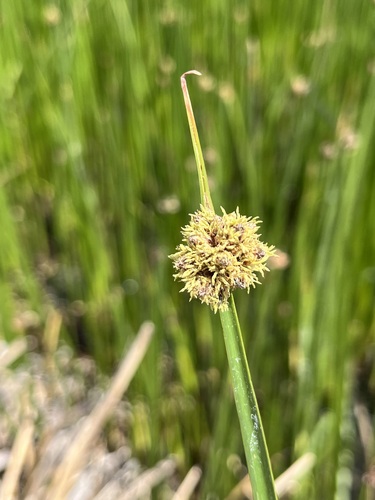
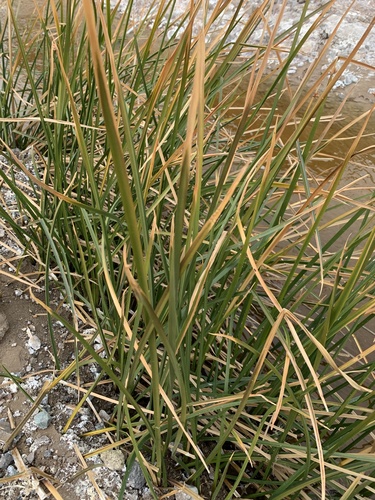
American Bulrush
Schoenoplectus americanus
Care
full sun
moderate
Fast, Medium, Slow, Standing; Tolerant of a variety of soils as long as sufficient moisture is available.
4–7ft tall
Resistant
Tubers eaten raw or roasted; traditional Indigenous food
Coastal salt marshes and brackish wetlands from Humboldt County to San Diego County, extending to British Columbia and Baja California
Care Guide
Planting
Plant American Bulrush in full sun in a location with consistently wet soil or standing water - this is a wetland plant that thrives in marshes, ponds, and water features rather than typical garden beds. It tolerates a wide range of soil types (fast, medium, slow, or standing drainage) as long as moisture is consistently available. Plant in spring or fall when the soil is wet, spacing plants to allow room for their rhizomes to spread; mature plants can reach 4 to 7 feet tall and will colonize areas over time.
After Planting
Once established, American Bulrush requires no supplemental watering if planted in its preferred wet habitat - the standing water or frequent moisture is its main need. Year one will see the plant establishing its rhizome system; don't expect full height immediately. The #1 mistake Bay Area gardeners make is planting this in regular garden soil and treating it like a typical perennial; it will decline without consistent wetness. No pruning is needed, and the plant will go dormant in winter, dying back before returning in spring.
Endangered & Threatened Species Supported
State threatened species in California
California Species of Special Concern
Wildlife Supported
Birds

Winter resident in Central Valley and coastal marshes; primary food source Dec-Feb

Winter staging and migration stopover in Central Valley; Sep-Apr

Critical fall migration fuel; staging in California marshes Sep-Oct

Winter foraging in tule marshes; key overwinter food resource
Mammals

Year-round primary food source in California marshes
Insects

Aquatic beetle larvae develop on roots; adults feed on foliage

Root-feeding larvae; adult emergence mid-summer

Adult feeding on emerging shoots; larval host plant Apr-Jun

Larval development in marsh sediment; adults emerge Jul-Aug

Stem weevil specialist; larval development in culms Jun-Aug