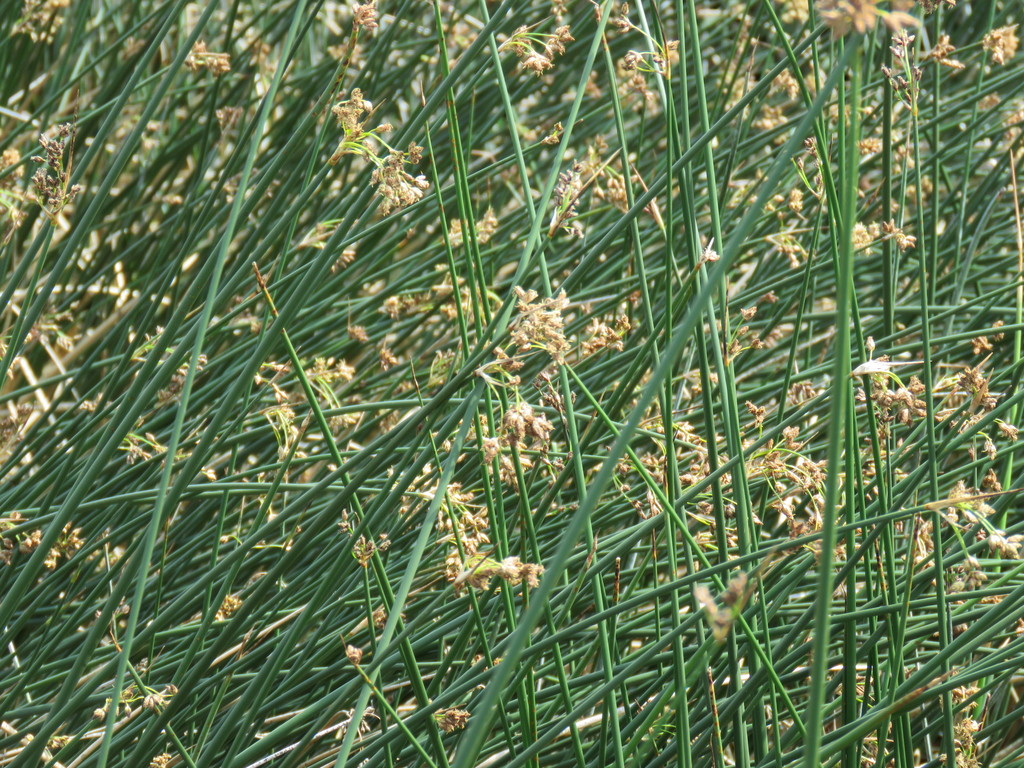
Hardstem Bulrush
Schoenoplectus acutus var. occidentalis
Care
full sun
moderate
Fast, Medium, Slow, Standing; Tolerant of a variety of garden soils as long as sufficient moisture is available.
3–10ft tall , 3–6ft wide
Mar-Aug
Evergreen
Tubers eaten raw or roasted; traditional Indigenous food
Marshes, riparian areas, and wetlands throughout California from sea level to 8,000 ft elevation, extending to British Columbia and Mexico
Care Guide
Planting
Plant your hardstem bulrush in full sun in a location where it can stay consistently moist - this native wetland plant thrives in moderate to high water conditions and tolerates standing water, so a pond edge, bioswale, or rain garden is ideal. The plant adapts to various soil types as long as moisture is abundant, so don't worry about amending your soil; focus instead on site drainage that allows water to collect rather than drain away. Plant in spring or early summer to give it the growing season to establish before winter.
After Planting
Water weekly during summer to keep the soil moist, and maintain consistent moisture year-round - this is not a drought-tolerant plant. The bigger mistake most gardeners make is planting hardstem bulrush in a regular garden bed expecting it to behave like an ornamental grass; it will decline without standing water or near-constant moisture. Your plant is evergreen, so you'll see growth year-round in the Bay Area's mild winters; prune dead or damaged stems as needed, but otherwise let it grow into the dense 3- to 10-foot stand it's meant to be.
Endangered & Threatened Species Supported
State threatened species in California
Wildlife Supported
Birds
Important wintering waterfowl in California wetlands, critical fall migration fuel Sep-Nov
Important forage during Pacific Flyway migration and winter staging, Sep-Apr
Primary forage during migration and wintering in California wetlands, Oct-Mar
Wintering waterfowl in California coastal and inland wetlands, Oct-Apr
Insects
Aquatic beetle larvae feed on bulrush tissue and roots, May-Aug
Larvae develop on submerged plant roots and stems, May-Aug
Larval host plant; stem-boring caterpillar, May-Sep