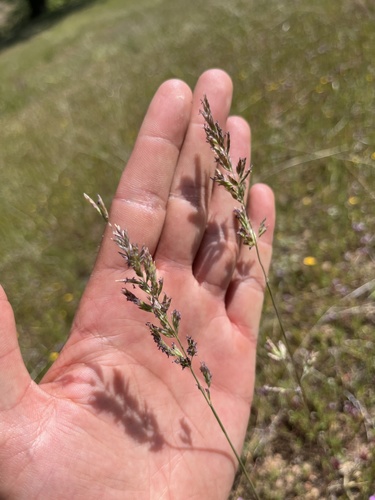
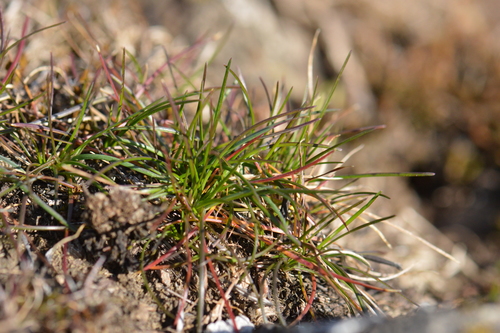
Canby's Bluegrass
Poa secunda subsp. secunda
Care
low
Fast, Medium, Slow; Prefers sandy or loamy soils. Does not grow well in clay soils.
1–3ft tall
Mar-Aug
Friendly
Grasslands and sagebrush scrub in interior California and the Sierra Nevada, typically at 2,000-8,000 ft elevation, extending to British Columbia and Mexico
Care Guide
Planting
Plant Canby's Bluegrass in sandy or loamy soil with fast to medium drainage - avoid clay soils, where it won't thrive. This native grass prefers well-draining conditions, so amend heavy soil with sand or compost before planting if needed. Plant in spring for best establishment during the growing season.
After Planting
Water regularly during your first summer to help the grass establish roots, then dramatically reduce watering once established - this is a drought-resistant native that needs very little water after year one. The #1 mistake is overwatering; once you see new growth in spring, let rainfall do most of the work. This grass will go dormant and brown in summer heat, which is normal; you don't need to prune it or baby it through dormancy.
Endangered & Threatened Species Supported
California Species of Special Concern
Wildlife Supported
Birds

Primary seed consumer in arid shrubsteppe habitats; important winter and breeding season food source

Seeds comprise significant portion of diet; important during breeding season in grassland habitats
Insects

Larval host grass; critical for skipper butterfly populations in California grasslands
Visits and feeds on grass foliage during active season

Fungal pathogen; overwinters on plant tissues; important in disease ecology

Larval host plant; caterpillars feed on grass blades during growing season
Mammals

Wild ungulate forage; eaten when available in alpine and subalpine habitats