← Back to results

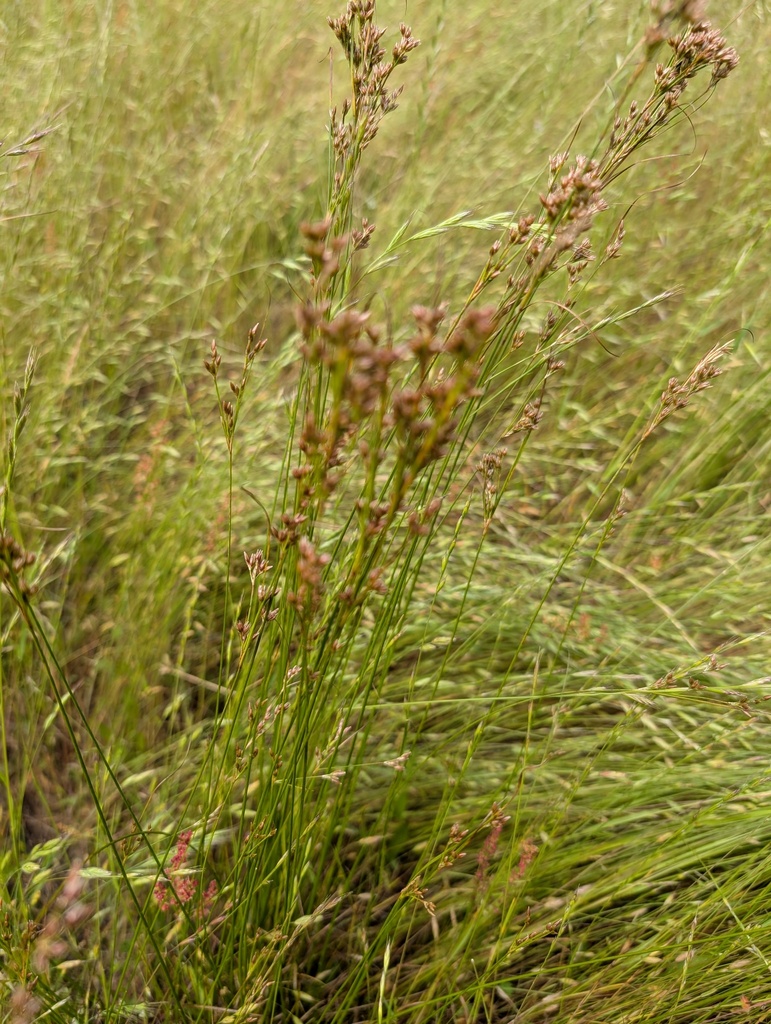
Western Rush

Juncus occidentalis

Care

Sun

full sun

Water

moderate

Size

1–2ft tall

Deer

Resistant

Container

Friendly

Native Range

Meadows and wet areas in the Sierra Nevada and interior California, typically at 4,000-9,000 ft elevation, extending to Oregon

Care Guide

Planting

Plant Western Rush in full sun where it will receive direct light all day. This native perennial thrives in areas with moderate to high water availability, so choose a spot that stays consistently moist - near a rain garden, bioswale, or other wet area is ideal. Space plants about 1–2 feet apart to allow room for the bunching growth habit to develop. Plant in fall or early spring to establish before summer heat.

After Planting

Water regularly during the first growing season to keep soil consistently moist as the plant establishes; you can reduce watering frequency once it's well-rooted if your site naturally stays damp. Western Rush is a perennial and will likely go dormant or die back seasonally - this is normal. The main mistake Bay Area gardeners make is planting this in dry spots or letting it dry out completely; it's a wetland plant that needs reliable moisture to thrive, not a drought-tolerant ornamental.

Visit Calscape for more information about Western Rush

Endangered & Threatened Species Supported

California clapper rail Rallus obsoletus
Federal: Endangered, CA: Endangered

California Clapper Rail; federally and state endangered

California red-legged frog Rana draytonii
Federal: Threatened, CA: Threatened, CA Special Concern

Listed under federal ESA and CESA; Critical habitat designated; amphibian chytrid fungus threat

Dusky-footed Woodrat Neotoma fuscipes
CA: Threatened, CA Special Concern

California Species of Special Concern, habitat fragmentation and loss

Mississippi kite Ictinia mississippiensis
CA Special Concern

California Species of Special Concern

Wildlife Supported

Amphibians

Shelter · Year-Round

Breeding habitat and shelter in freshwater marshes; emergent vegetation essential for metamorphs

Birds

Shelter · Year-Round

Dense rush stands provide nesting and foraging cover year-round in coastal salt marshes

Nesting · Spring

Nests in dense rush marshes April-July; critical breeding habitat

Shelter · Summer

Breeding season use of marsh edges and wetland perches; summer resident

Shelter · Winter

Utilizes rush stands for winter roosting and foraging cover in mountain wetlands

Insects

Larval Host · Year-Round

Hyperparasitic fungus on rust fungi and other pathogens affecting Juncus; indirect relationship with plant

Mammals

Shelter · Year-Round

Uses dense rush vegetation and associated plant material for nest construction and cover

Where to Buy

Native Here Nursery

101 Golf Course Dr, Tilden Regional Park, Berkeley

Sat 10am-2pm

3.0 mi (510) 549-0211 Website