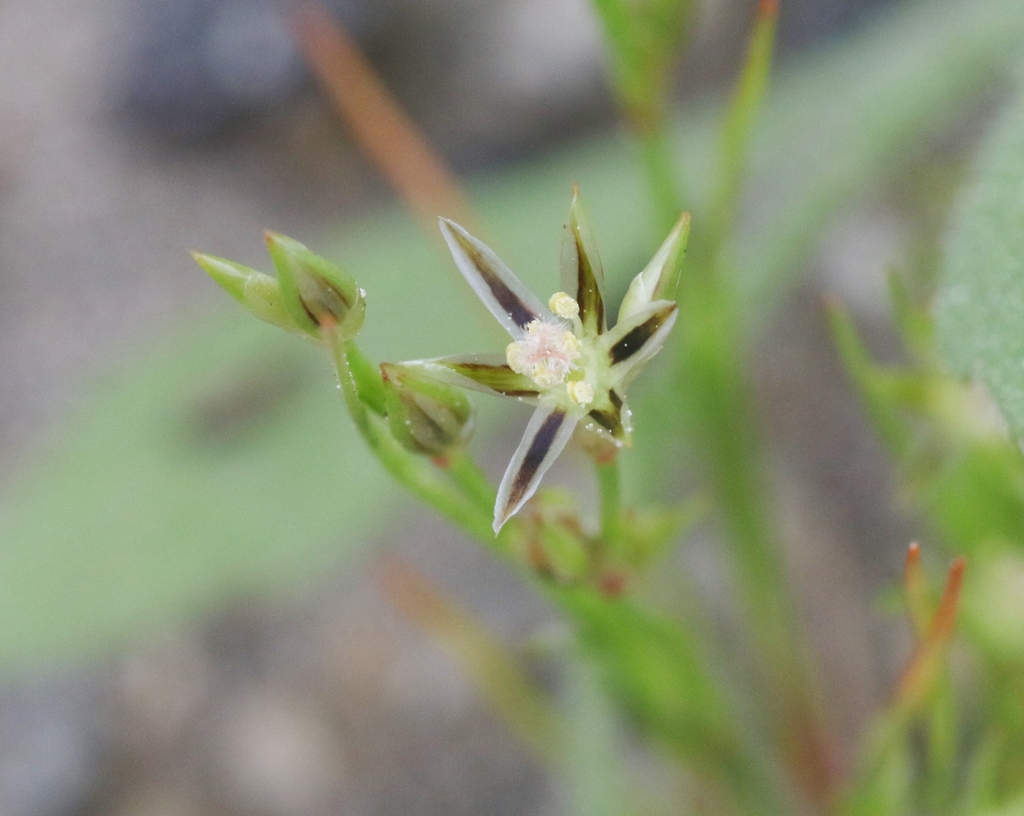
Toad Rush
Juncus bufonius
Care
full sun
moderate
Fast, Medium, Slow; Tolerant of a variety of garden soils as long as sufficient moisture is available.
1–1ft tall
Mar-May
Resistant
Friendly
Wet areas, marshes, and disturbed sites throughout California from sea level to 10,000 ft elevation, extending across North America
Care Guide
Planting
Plant Toad Rush in full sun in a location that stays consistently moist - this plant thrives in muddy, wet spots where other plants struggle. It's tolerant of various soil types (fast, medium, or slow drainage) as long as moisture is available, making it ideal for boggy areas or low spots in your Bay Area garden. Plant in spring for best establishment, spacing plants about 12 inches apart.
After Planting
Keep the soil moist throughout summer and don't let it dry out completely; this is the #1 mistake people make with Toad Rush, since it's adapted to wetland conditions. Toad Rush is an annual that flowers from September through March, so expect it to complete its life cycle within a year - treat it as seasonal color rather than a permanent fixture. Once established, it requires minimal maintenance beyond consistent moisture, and it will tolerate Bay Area cold snaps down to -10°F with no special protection.
Wildlife Supported
Insects
Larval host plant; caterpillars feed on rush foliage in wetlands
Host-specific or preferential feeder on Juncus species
Nymph and adult feeding on rush sap; overwinter in plant debris
Nymph and adult feeding on rush foliage during growing season
Aquatic beetle larvae and adults browse on emergent rush foliage
Sap feeding on rush vegetation; overwinter in plant material
Birds
Irregular winter visitor; seeds important when available
Important seed resource during fall migration and winter in wetland habitats
Mammals
Year-round grazing in wetland and marshy areas