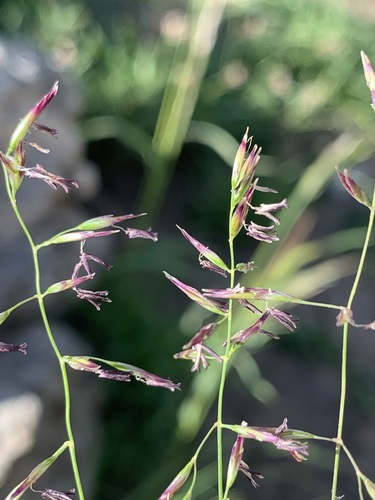
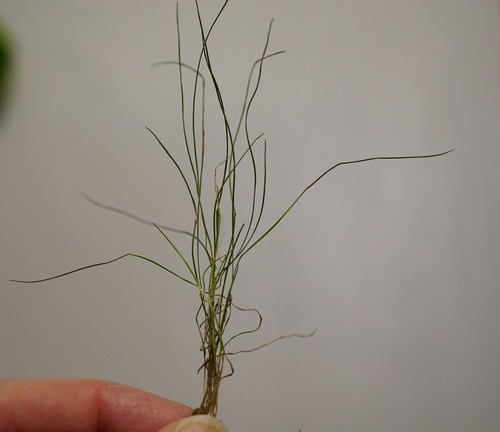
Creeping Fescue
Festuca rubra
Care
part shade, full sun
low
Medium; Tolerates many soil types.
1–3ft tall
Mar-May
Resistant
Friendly
Coastal grasslands, wetlands, and disturbed areas from Del Norte County to Santa Cruz County, typically below 2,000 ft elevation, extending to British Columbia
Care Guide
Planting
Plant Creeping Fescue in fall or spring in a location with full sun or partial shade. This cool-season grass tolerates many soil types and prefers medium drainage, so amend heavy clay if water pools after rain. Space plants according to your cultivar's mature width (typically 1–3 feet tall), and choose a spot where it can spread via rhizomes without overwhelming neighboring plants.
After Planting
Water weekly during your first summer to establish the plant, then taper to once monthly or less once established - this is a drought-tolerant grass that thrives on minimal summer water in the Bay Area. Expect summer dormancy (the plant will brown and slow down) as this is a cool-season species; this is normal and not a sign of failure. You can mow it like a lawn, leave it unmowed for a prairie look, or anything in between; prune or mow in spring as new growth emerges. The #1 mistake is overwatering once established - resist the urge to irrigate in summer unless there's a heat wave, as this grass prefers drier conditions.
Wildlife Supported
Birds

Introduced population in coastal California; primary forage grass

Well-established in California; primary grass seed forager in grasslands

Fall migration through California; grass seed consumption critical for energy reserves

Rare vagrant; grazes on winter grass growth

Alpine and subalpine European species; seasonal seed consumer

Irregular winter visitor to California; feeds on grass seeds during irruptive years

Rare vagrant to California; grazes on grass shoots during winter
Insects

Larval food plant; caterpillars feed on grass blades April-June

Important larval host; multiple generations use Festuca rubra shoots

Sap-feeding; spring population buildup on new growth; pest species

Late summer and fall feeding on grass foliage; August-October activity

Adult pollen feeder; provides natural pest control; spring-early summer

Nymph and adult feeding on grass blades; July-September peak abundance

Alpine/subalpine species; caterpillars graze red fescue in early spring

Larval development on grass; June-August feeding period