← Back to results

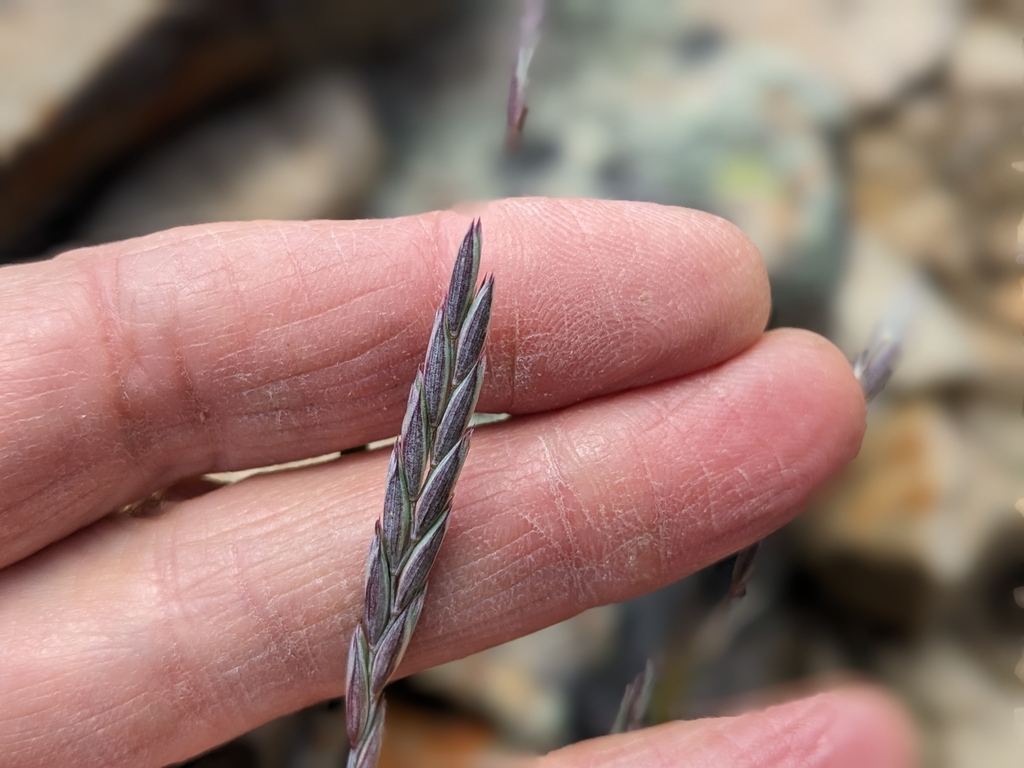
Slender Wheatgrass

Elymus trachycaulus subsp. trachycaulus

Care

Sun

full sun, part shade

Water

low

Soil

Prefers loamy or clay soils. Grows poorly in sandy soils.

Size

3–5ft tall

Bloom

Mar-May

Deer

Resistant

Native Range

Meadows and riparian areas in the Sierra Nevada and higher elevation regions, typically at 4,000-10,000 ft elevation, extending to British Columbia and the Great Plains

Care Guide

Planting

Plant slender wheatgrass in full sun with loamy or clay soil - avoid sandy soils where it performs poorly. Space according to your design goals, though the data doesn't specify exact spacing. Spring is ideal for planting to establish before summer. This native grass is highly adaptable and can handle part shade, though it prefers full sun for best growth.

After Planting

Water weekly during your first summer to establish the plant, then transition to low-water maintenance once established. The plant is drought-tolerant once settled in, so expect to wean off supplemental water by fall. Slender wheatgrass is deer resistant, which means you won't need to protect it from browsing. Year 1 focuses on root development rather than showy growth - patience now pays off with a resilient, low-maintenance grass for years to come.

Visit Calscape for more information about Slender Wheatgrass

Wildlife Supported

Birds

Seeds · Fall

seed consumption during migration and overwintering in grasslands

Seeds · Fall

seed head foraging in late summer and fall; winter food source

Seeds · Fall

small seed foraging in fall and winter

Seeds · Summer

seed and insect foraging in grass habitat during breeding season

Seeds · Fall

seed head consumption in late season; also nesting habitat within dense grass

Foliage · Fall

grazing on grass shoots during migration and wintering

Seeds · Year-Round

winter and year-round foraging on seeds and shoots

mod Mallard
Seeds · Fall

seed consumption during migration staging and winter

+1 more species

Insects

Larval Host · Spring

larval food plant; caterpillars feed on grass blades

Foliage · Year-Round

sap-feeding on grass leaves; supports insectivorous birds

Foliage · Spring

early season sap-feeding; important protein source for migrant birds

Larval Host · Summer

grass-feeding larvae; multiple generations during growing season

Where to Buy

East Bay Wilds

2110 Eighth St, Suite 202, Berkeley

Fri 9:30am-4pm (occasional Sat, call ahead)

1.5 mi (510) 409-5858 Website
Native Here Nursery

101 Golf Course Dr, Tilden Regional Park, Berkeley

Sat 10am-2pm

3.0 mi (510) 549-0211 Website