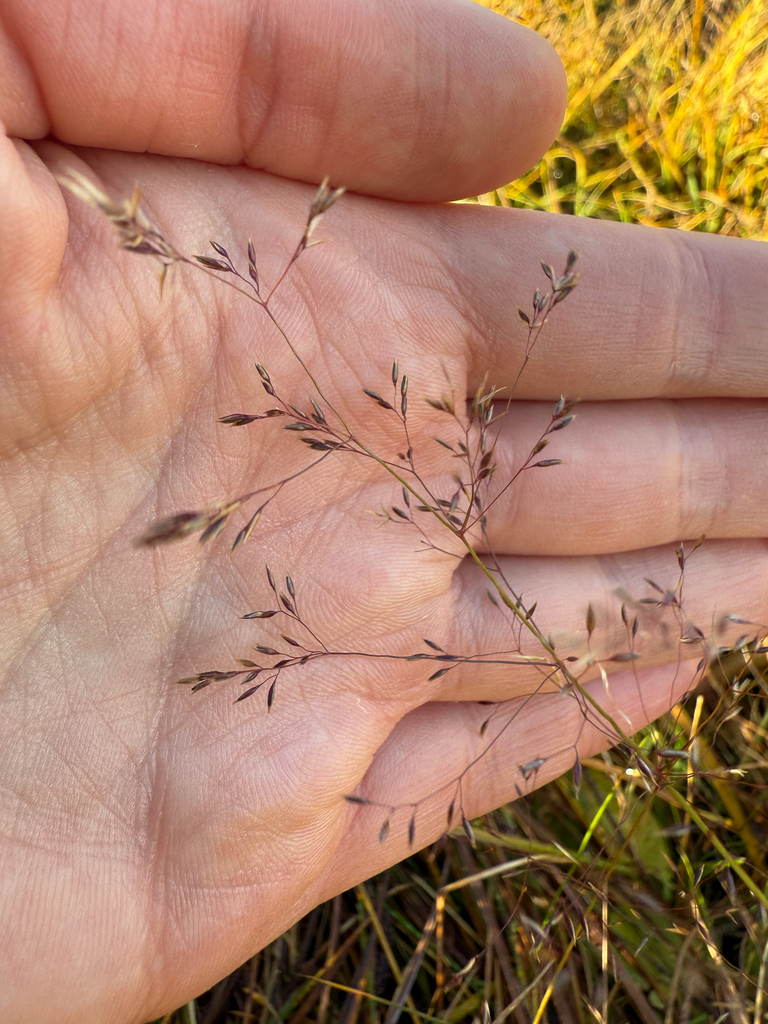
Hair Grass*
Deschampsia cespitosa subsp. holciformis
Care
full sun, part shade
low
Fast, Medium, Slow, Standing; Tolerant of sand and clay.
3–3ft tall , 3–3ft wide
Deciduous
Resistant
Friendly
Coastal bluffs, wetlands, and wet grasslands from Marin County to Santa Barbara County, typically below 2,000 ft elevation
Care Guide
Planting
Plant Hair Grass in full sun to part shade in fall or winter, when Bay Area rainfall naturally establishes new plants. This grass thrives in moist conditions and tolerates nearly any soil type - sand, clay, fast-draining, or even standing water - so drainage is flexible depending on where in your garden you want it. Space plants according to your desired density; Hair Grass spreads to form attractive tufts and works well as a lawn alternative or grouped with other native grasses like fescues.
After Planting
Water weekly for the first summer while your grass establishes; once established, cut back to irrigation just once weekly or less depending on summer rainfall. This is a deciduous grass that will die back in winter, which is normal - don't panic. The biggest mistake people make is overwatering in summer after establishment; this grass evolved in meadows and marshy areas that dry out seasonally, so let it naturally reduce watering once it's rooted.
Wildlife Supported
Insects
Highly specialized Deschampsia-dependent moth; larval mining in stems and leaves
Major Deschampsia consumer; larvae and adults depend on grass Apr-Oct
Primary larval and adult host; critical food source Jun-Sep
Principal larval host grass; critical for caterpillar development Apr-Jun
Grass-feeding caterpillar; Deschampsia is preferred host May-Jul
Sap-feeding specialist on grass shoots during spring colonization
Overwinters in dense grass tufts; uses Deschampsia clumps for refuge
Specialist grass-feeder; significant population in moist Deschampsia stands
Birds
Primary grass-foraging species; gleaning seeds and invertebrates from grass tufts
Critical seed source during fall migration and winter survival
Opportunistic seed foraging during winter irruptions
Important seed resource throughout year, especially winter
Mammals
General grass consumption by multiple small rodent species