← Back to results

Sedge*

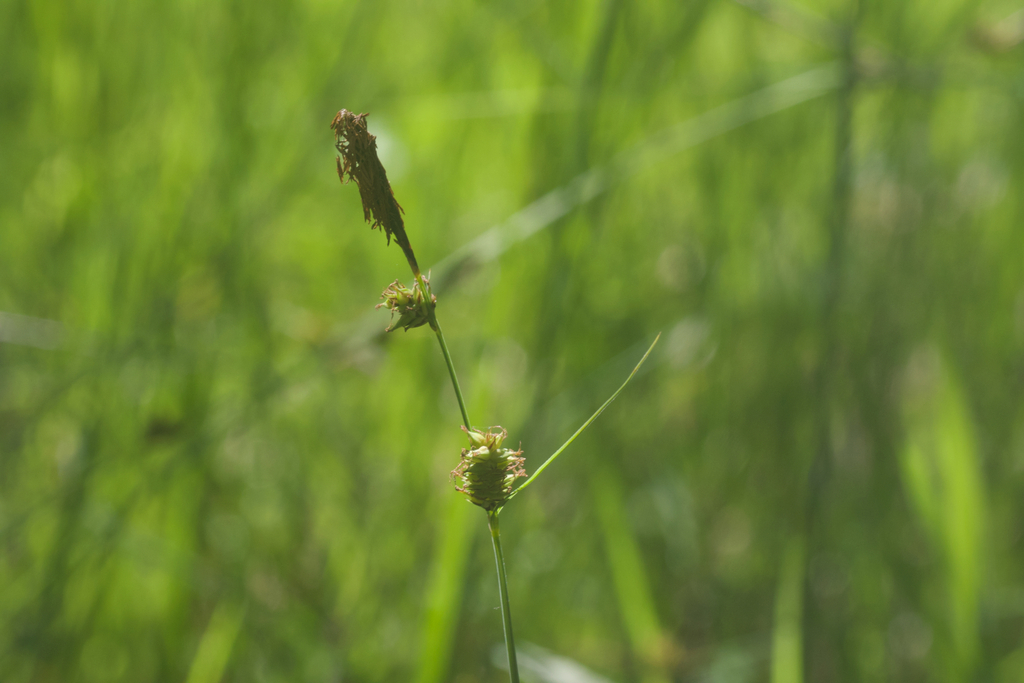
Carex serratodens

Care

Sun

part shade

Water

moderate

Size

4–4ft tall

Deer

Resistant

Container

Friendly

Edible

Tubers eaten cooked; traditional Indigenous food source

Native Range

Meadows and riparian areas in the Sierra Nevada and interior regions, typically at 3,000-8,000 ft elevation

Care Guide

Planting

Plant Two Tooth Sedge in a location with partial shade - it won't thrive in full sun or deep shade. Choose a spot with consistently moist soil, as this native sedge naturally grows in wet areas across California's elevations. Space plants about 2–3 feet apart to accommodate their 4-foot mature height. Spring is the ideal planting time in the Bay Area, giving the plant time to establish before summer.

After Planting

Water moderately to deeply during your first growing season, especially through the summer months, keeping the soil consistently moist rather than letting it dry out. Once established in year two, this sedge is fairly low-maintenance - reduce watering frequency but maintain moderate moisture during dry periods. The Calscape data doesn't specify pruning needs, but avoid cutting it back severely. The biggest mistake Bay Area gardeners make is planting sedge in dry spots; this plant wants moisture, so don't treat it like a drought-tolerant ornamental grass.

Visit Calscape for more information about Sedge*

Endangered & Threatened Species Supported

California clapper rail Rallus obsoletus
Federal: Endangered, CA: Endangered

California Clapper Rail; federally and state endangered

Yellow warbler Dendroica petechia
CA: Endangered, CA Special Concern

Yellow Warbler; state endangered in California (coastal populations)

Grasshopper Sparrow Ammodramus savannarum
CA: Threatened

Grasshopper Sparrow; California-listed as threatened

Ornate shrew Sorex ornatus
CA Special Concern

Ornate shrew is a Species of Special Concern

Wildlife Supported

Birds

Nesting · Spring

builds nests among dense sedge stands in coastal wetlands March-June

Nesting · Spring

nests in native grass-sedge complexes April-July; requires open structure

Shelter · Winter

hunts rodents in sedge meadows during winter migration and overwintering

Shelter · Spring

uses sedge meadows for foraging and shelter during breeding season

Mammals

Shelter · Year-Round

uses dense sedge clumps as cover and foraging habitat in wet meadows

Seeds · Fall

seeds consumed during fall seed maturation and winter food storage

Where to Buy

East Bay Wilds

2110 Eighth St, Suite 202, Berkeley

Fri 9:30am-4pm (occasional Sat, call ahead)

1.5 mi (510) 409-5858 Website
Native Here Nursery

101 Golf Course Dr, Tilden Regional Park, Berkeley

Sat 10am-2pm

3.0 mi (510) 549-0211 Website