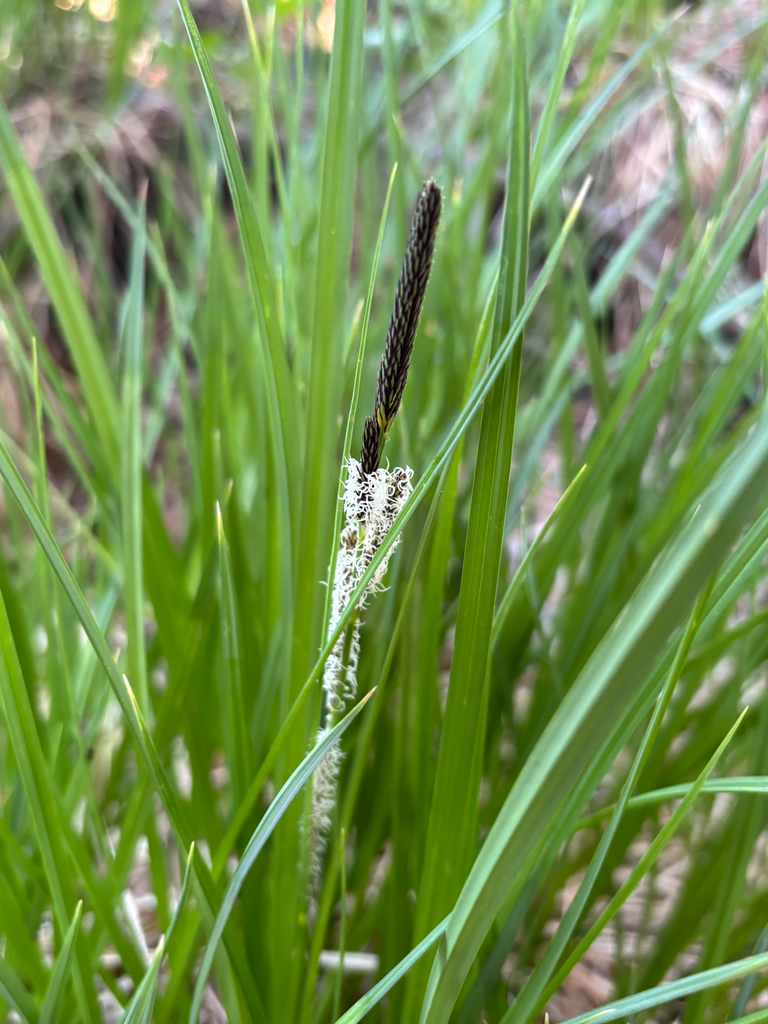
Swamp Carex
Carex senta
Care
part shade
moderate
Standing
Friendly
Tubers eaten cooked; traditional Indigenous food source
Freshwater marshes and riparian wetlands throughout California from sea level to 5,000 ft elevation
Care Guide
Planting
Plant Swamp Carex in partial shade in a location with consistently wet soil - this native loves standing water and streambank conditions, so bog gardens, rain gardens, and wet swales are ideal. It tolerates a wide range of elevations and can handle both containers and in-ground planting. Plant in fall or early spring to give it time to establish before summer.
After Planting
Water moderately to heavily during the first growing season to keep soil consistently moist; this plant actually prefers wetter conditions than most California natives, so don't let it dry out completely. Once established, Swamp Carex maintains its own moisture needs if planted in a naturally wet spot, but container plants will need regular watering year-round. The biggest mistake is treating it like a drought-tolerant California native - it's a water lover that will struggle in dry gardens or with infrequent watering.
Endangered & Threatened Species Supported
Southern California endemic subspecies
California Species of Special Concern, habitat fragmentation and loss
Wildlife Supported
Birds
nests in dense sedge tussocks March-July; relies on cover for predator avoidance
dense sedge cover provides nesting habitat and predator concealment April-June in coastal sage scrub
forages for insects associated with sedge vegetation April-August during breeding season
uses sedge tussocks for nesting material collection March-May
Insects
multiple Carex-specialist lepidopteran species use as larval food plant; critical host plant May-July
Mammals
browsed opportunistically when available; more heavily utilized in winter when other forage limited
incorporated into nest material and supplemental diet year-round in coastal scrub and woodland habitats