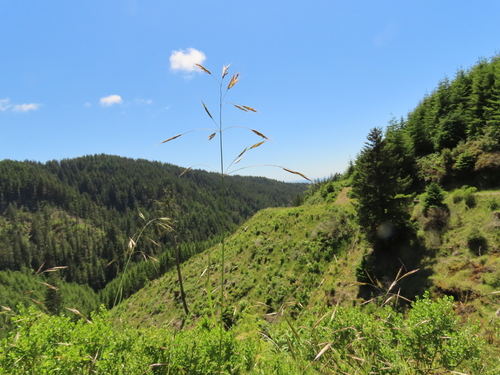
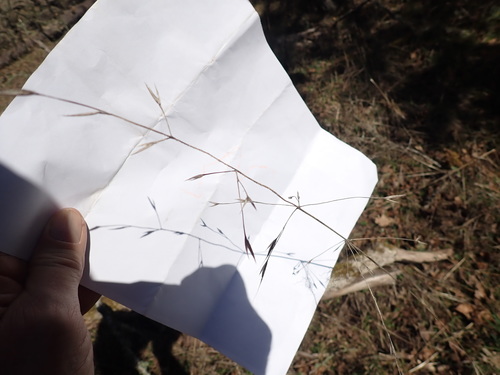
Sitka Brome
Bromus sitchensis var. carinatus
Care
full sun, part shade
low
Medium, Slow; Tolerates most soil types but especially good in clay.
1–3ft tall , 1–1ft wide
Mar-May
Deciduous
Friendly
Coastal bluffs, grasslands, and wetlands from Humboldt County to Santa Barbara County, typically below 2,000 ft elevation, extending to Alaska and Oregon
Care Guide
Planting
Plant Sitka Brome in full sun to part shade in a location with medium to slow-draining soil - it tolerates most soil types, especially clay, so you have flexibility here. Plant in spring or fall, spacing plants according to the mature height of 1.7 to 3.3 feet. This grass grows best with consistent moisture during the growing season, so avoid planting it in dry or sandy areas where water runs through quickly.
After Planting
Water moderately through the first summer, keeping the soil moist but not waterlogged, then reduce frequency as the plant becomes established. This is a deciduous grass, so expect it to die back in winter - this is normal. The main mistake gardeners make is overwatering in heavy clay soil; while Sitka Brome tolerates clay well, ensure water doesn't pool around the crown, as this can cause rot. Once established, this low-water grass needs minimal maintenance and will bloom from March through May.
Wildlife Supported
Birds

Staple diet year-round; essential breeding and overwintering resource in grasslands

Specialist seed eater; critical grassland resource especially late summer through winter

Primary seed feeder; important year-round resource in grass-dominated habitats

Staple seed and foliage resource; ground forager in grasslands

Specialist seed feeder; critical resource throughout year in grassland edges

Primary seed resource; especially important in winter diet when other seeds scarce

Fall migration and winter staging; important energy source Sep-Dec

Breeding season diet supplement; nesting in grassland habitats
+6 more species
Insects

Fungal pathogen; overwinters on grass hosts; spring/fall disease cycles