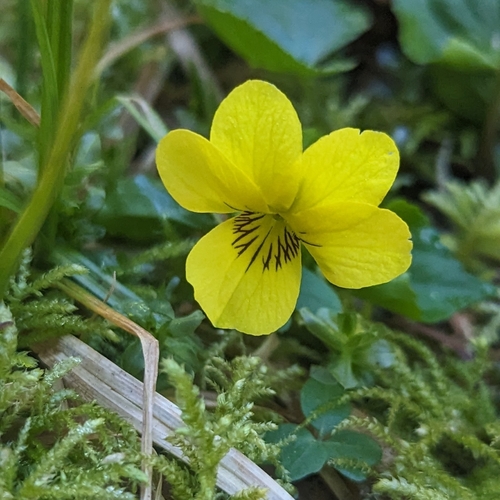
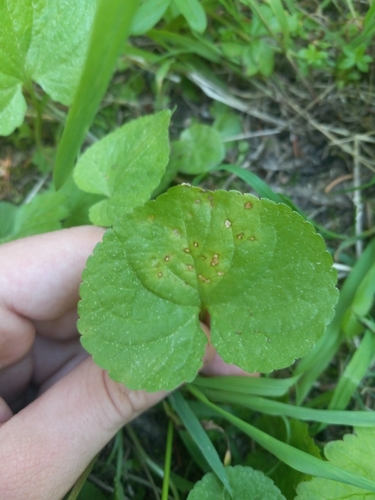
Pioneer Violet
Viola glabella
Care
part shade, full shade
regular
moist, well-draining, rich organic soil
0–0ft tall , 0–1ft wide
Apr-Jun
Deciduous
Resistant
Friendly
Prized
Flowers and leaves eaten raw or cooked; petals used in salads
Moist shaded forests and riparian areas of northern and central California from the North Coast to the Sierra Nevada, below 4000 ft elevation, extending to Oregon.
Care Guide
Planting
Plant Pioneer Violet in part shade to full shade in spring, in moist, well-draining soil rich with organic matter. This deciduous groundcover stays compact at under 1 foot tall, so it works well in shaded corners or along stream banks where it naturally thrives. Space plants about 6 inches apart to allow room for spreading.
After Planting
Water regularly during the first growing season to establish the plant in its preferred moist conditions, then reduce to low water once established. Expect Pioneer Violet to die back completely to its roots in autumn - this is normal and not a sign of failure. In spring (April through June), yellow flowers with purple nectar guides will emerge from the base before the cycle repeats. The #1 mistake is overwatering once the plant is established; it prefers consistently moist soil, not soggy, so let it dry slightly between waterings after year one.
Endangered & Threatened Species Supported
California Species of Special Concern
Wildlife Supported
Insects

Primary larval host plant; caterpillars feed on viola leaves in spring

Larvae feed on viola leaves in early spring after snowmelt in montane habitats

Larvae feed on viola species in spring; multiple broods possible in California

Larvae feed on viola foliage opportunistically in spring months

Early season butterfly using viola as larval host in spring

Ground beetles utilize viola leaf litter and basal rosettes for shelter and microhabitat
Small native bees collect pollen from viola flowers during spring bloom

Adult flies feed on viola nectar and pollen; parasitoids of butterfly and moth larvae
+1 more species