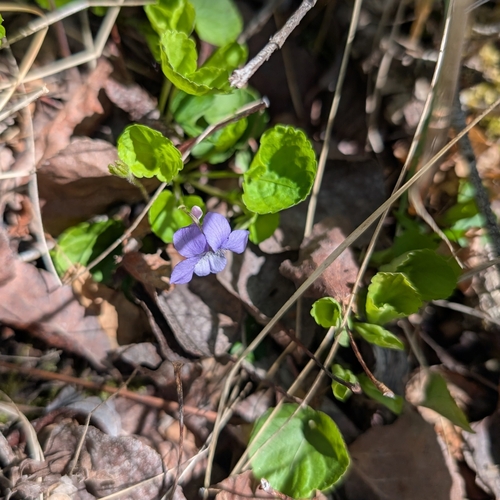
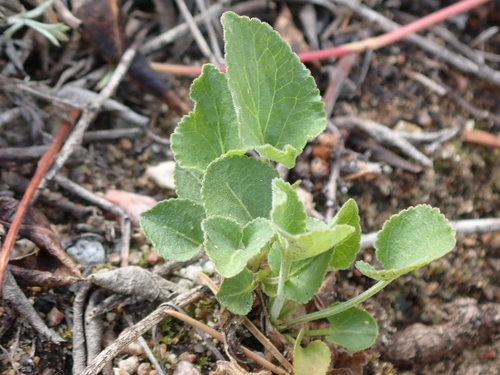
Blue Violet
Viola adunca
Care
full sun, part shade
moderate
Fast, Medium, Slow; Adaptable.
0–0ft tall
Mar-Aug
Deciduous
Resistant
Friendly
Prized
Flowers and leaves eaten raw or cooked; petals used in salads
Grasslands, scrub, and open woodlands of the mountains throughout California, 2000-8000 ft elevation, extending throughout western North America.
Care Guide
Planting
Plant Blue Violet in full sun to part shade in spring or fall, spacing plants about 6–12 inches apart since they spread via underground rhizomes. This adaptable plant tolerates fast, medium, or slow-draining soil, but prefers well-drained conditions to prevent rot. It works well as a groundcover in woodland and meadow gardens, and can even thrive in containers if you're short on space.
After Planting
Water moderately year-round, keeping the soil consistently moist but not waterlogged during the first growing season. Blue Violet is deciduous and will die back in winter, which is normal - simply leave it alone and it will return in spring. The biggest mistake is overwatering in heavy clay soil or letting it dry out completely; aim for soil that drains well and stays evenly moist. Once established in your second year, it becomes a low-maintenance groundcover that spreads on its own.
Endangered & Threatened Species Supported
Zerene Fritillary; multiple subspecies of concern including S. z. hippolyta (ESA listed 1992)
California endemic, restricted to high elevation wetlands
California endemic, limited to coastal scrub habitat in San Mateo County
California Species of Special Concern
Wildlife Supported
Insects

Caterpillars feed on violet foliage in spring

Spring larval host plant in montane habitats

Larval host in wet meadows and seeps

Spring larval host in western montane regions

Larval host plant in alpine and subalpine zones

Overwintering larvae feed on emerging violet leaves

Early spring larval development on violet foliage

Caterpillars feed on violet leaves in spring after overwintering
+6 more species