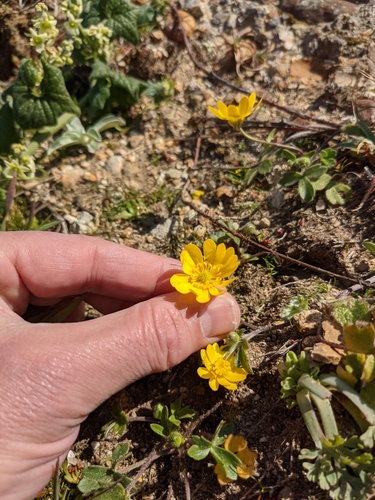
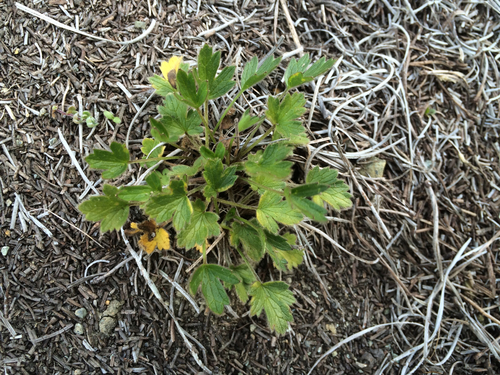
California Buttercup
Ranunculus californicus var. californicus
Care
full sun, part shade
very low
Fast, Medium, Slow; Adaptable.
0–2ft tall , 0–0ft wide
Jan-Dec
Deciduous
Friendly
Prized
Grasslands and oak woodlands throughout much of California from the Coast Ranges to the Sierra Nevada foothills, below 4000 ft elevation.
Care Guide
Planting
Plant California Buttercup in full sun with well-draining soil - it adapts to fast, medium, or slow drainage, so your soil type isn't critical. Space plants according to your variety: var. californicus grows 1–2 feet tall, while var. cuatus stays low as a ground cover. Plant in fall or early winter to establish before the blooming season (late winter through spring). You can pair it with native annuals, bulbs, or in meadow borders.
After Planting
Water regularly during the first growing season to establish roots, then stop - once established, never irrigate in summer. This is a deciduous perennial that will die back seasonally, which is normal. The plant self-seeds readily, so expect volunteers; if you want to prevent spreading, deadhead before seeds drop. The biggest mistake is overwatering after the first year; this plant evolved to survive California summers without supplemental water, and extra moisture can rot the roots.
Visit Calscape for more information about California Buttercup
Endangered & Threatened Species Supported
California Threatened; Species of Special Concern
Wildlife Supported
Insects

Early nectar and pollen resource for queen establishment

Early season ground-nesting bee provisioning

Early season pollen source for colony buildup

Spring nesting season pollen provision

Spring foraging for early colonies

Spring and early summer nectar

Spring foraging resource

Spring pollen feeding and aphid predation on plant
+6 more species