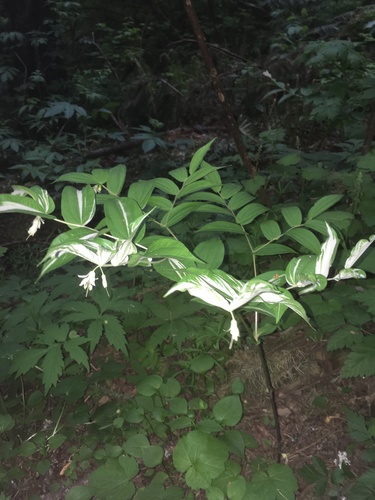
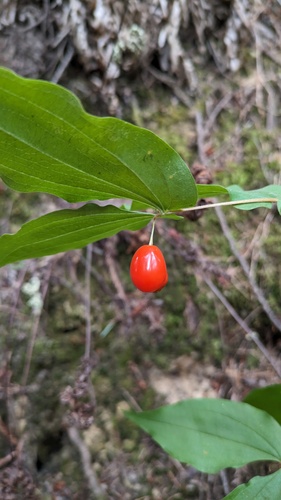
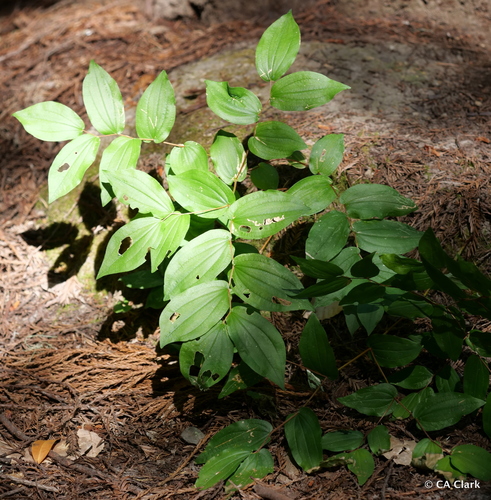
Hooker's Fairybells
Prosartes hookeri
Care
part shade
moderate
Medium; Prefers average to rich soil.
3–3ft tall
Mar-May
Friendly
Prized
Berries eaten raw or cooked; traditional Indigenous food
Moist forests of the Sierra Nevada and Cascade Range from Kern County to Modoc County, 4000-8000 ft elevation, extending to Oregon and Washington.
Care Guide
Planting
Plant Hooker's Fairybells in partial shade - mimicking its native forest understory habitat - with soil that drains at a medium rate and contains average to rich organic matter. Spring is your best planting window. Space plants to account for mature height of about 3 feet, and pair them with shade-loving companions like ferns and False Solomon's seal if you're creating a woodland-style garden.
After Planting
Water moderately to heavily during the first growing season to establish the rhizome; this plant prefers consistently damp conditions like its native forest floor home. Expect it to bloom in spring (March through May) with delicate hanging bell-shaped flowers that may hide beneath the large leaves - don't mistake this for lack of blooms. The biggest mistake is planting in full sun or allowing the soil to dry out; Hooker's Fairybells is fundamentally a shade plant that needs moisture to thrive.
Visit Calscape for more information about Hooker's Fairybells
Wildlife Supported
Birds

consume berries during fall migration and winter months

forage on berries during breeding season
Mammals

consume seeds year-round, particularly important in fall and winter