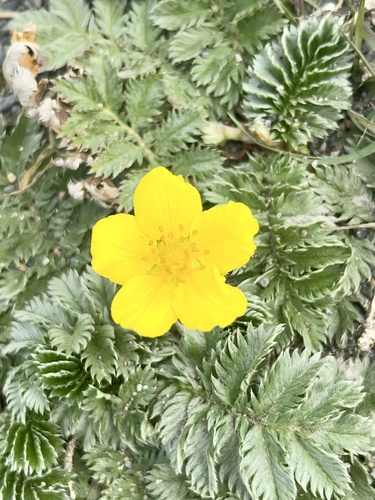
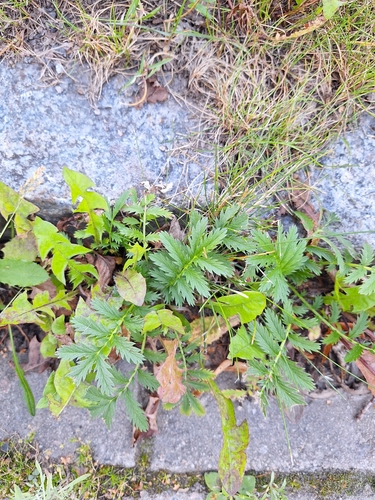
Anserina
Potentilla anserina subsp. pacifica
Care
part shade
high
Fast; Prefers sandy or gravelly soils.
Mar-May
Friendly
Prized
Roots eaten boiled or roasted; traditional Indigenous food
Wet meadows, marshes, and riparian areas throughout California, extending to Oregon and Washington.
Care Guide
Planting
Plant silverweed in partial shade with fast-draining, sandy or gravelly soil - this is crucial, as it naturally grows in these conditions and won't thrive in heavy clay. The best planting time is during the cooler months (fall or early spring) to help it establish before summer heat. Space plants to allow room for their spreading stolons, which root as they spread across the ground.
After Planting
Water regularly during your first growing season to keep the soil consistently moist, as silverweed prefers high water availability. Once established, you can reduce supplemental watering, though this plant will perform best if it doesn't dry out completely. The main mistake is planting it in compacted or poorly draining soil - if your garden bed doesn't have that loose, sandy texture, amend it heavily before planting or choose a different location.
Wildlife Supported
Insects

Specialist bee species associated with Potentilla; critical pollen source during female nesting period

Early-season nectar forager for queen establishment and colony founding

Caterpillars feed on Potentilla species; spring generation April-May

Pollen source during spring foraging period; supports hive population growth

Polyphagous butterfly; larvae occasionally feed on foliage; multiple generations possible in California
Birds

Alpine/montane finch feeds on small seeds; important during fall migration

Irregular winter visitor to California; seeds provide food during migration staging (Sep-Nov)

Dabbling duck grazes on vegetation in wetland margins and shallow waters where plant occurs
Mammals

Semi-aquatic rodent feeds on emergent vegetation in wetlands