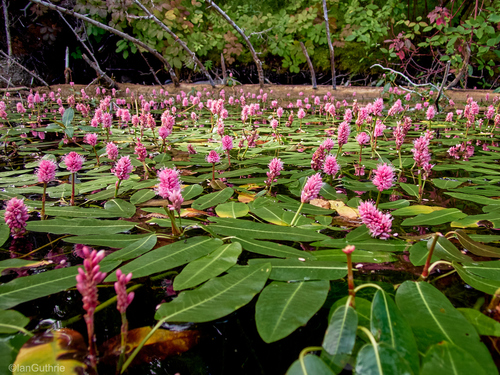
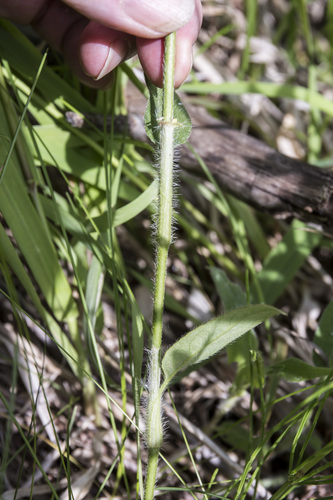
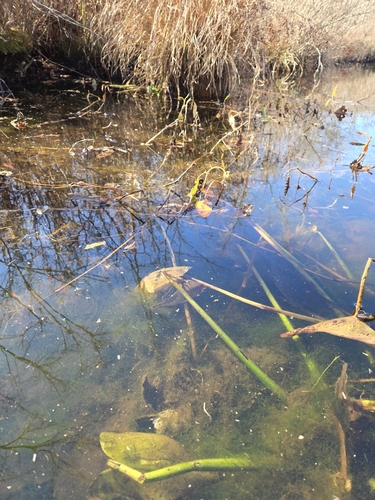
Amphibious Bistort
Persicaria amphibia
Care
part shade
0–4ft tall
Deciduous
Friendly
Prized
Roots and shoots eaten cooked; traditional food
Marshes, wetlands, and riparian areas throughout California at various elevations, extending to Oregon, Washington, and beyond.
Care Guide
Planting
Plant your Amphibious Bistort in partial shade in a location with consistently wet conditions - it thrives in shallow water features, streams, or boggy areas rather than typical garden soil. This is a wetland plant native to California, so if you're growing it outside of a water feature, plan for consistently moist to saturated conditions year-round. Plant during the growing season (spring through summer) when the plant is actively establishing.
After Planting
Water deeply and consistently to maintain wet conditions; this plant is adapted to wetland habitats and will struggle in dry soil. Expect modest growth - it's described as moderately fast-growing and reaches only a few feet tall, with yellow flowers appearing in late spring. The plant is deciduous and will die back seasonally, which is normal behavior. The #1 mistake people make is treating it like a typical perennial garden plant that needs to dry out between waterings - Amphibious Bistort is fundamentally different and needs perpetually wet conditions to thrive.
Visit Calscape for more information about Amphibious Bistort
Endangered & Threatened Species Supported
Federally endangered; State endangered in California
California Species of Special Concern; monarch populations declining
Wildlife Supported
Insects

Primary larval host plant; critical for wetland populations

Important larval host; supports multiple generations

Host plant for caterpillars in wetland breeding populations
Birds

Primary seed consumption during migration and wintering; critical food source in wetland habitats

Important staging and wintering food in California wetlands

Year-round aquatic macrophyte consumption
Mammals

Aquatic vegetation grazer; significant herbivory pressure