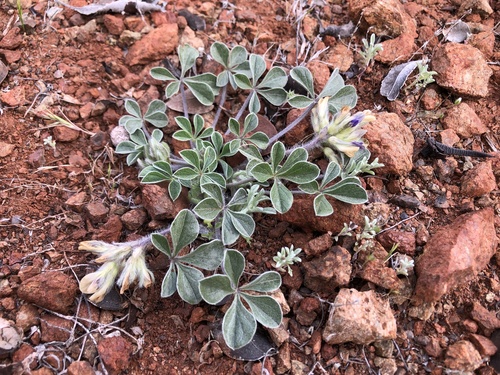
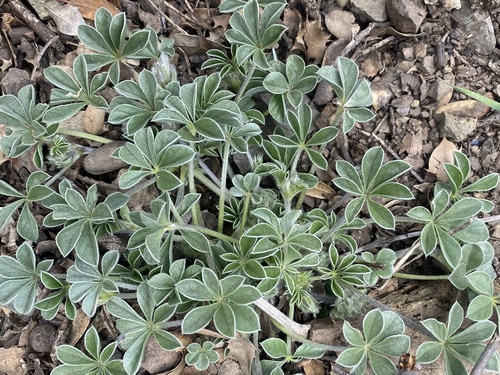
California Indian Breadroot
Pediomelum californicum
Care
full sun, part shade
Friendly
Tubers eaten raw or roasted; traditional Indigenous food
Grasslands and foothills of the inner Coast Ranges and Sierra Nevada region from San Luis Obispo County to Shasta County, below 3000 ft elevation.
Care Guide
Planting
Plant California Indian Breadroot in full sun to part shade. This native perennial grows low to the ground with mostly underground stems, so choose a spot where it won't be shaded out by taller plants as they mature. Since this species is endemic to California's chaparral and woodlands, it's adapted to the Bay Area's native conditions.
After Planting
Once established, California Indian Breadroot is a low-maintenance native plant that should thrive with minimal intervention. As a perennial herb native to local chaparral, it's built for our dry summers - the main mistake gardeners make is overwatering. Let the plant settle into your garden's natural rainfall patterns after the first growing season.
Visit Calscape for more information about California Indian Breadroot
Endangered & Threatened Species Supported
California threatened species; population decline in state
Wildlife Supported
Mammals

primary forage throughout range, especially spring growth

spring green growth critical for reproduction period

seeds collected and cached for winter storage
Birds

post-breeding seed foraging Sep-Nov

seeds important winter food source in arid regions
Insects

aquatic insect associated with vernal pools where plant grows
Reptiles

spring emergence, uses plant cover for ambush foraging