False Solomon's Seal
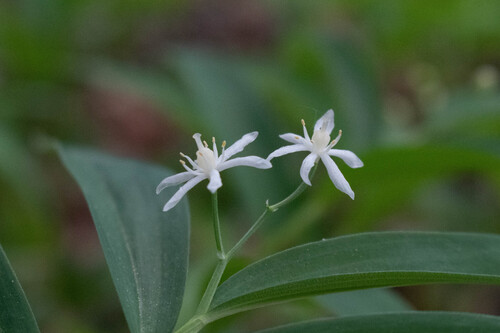
Maianthemum stellatum
Care
part shade
moderate
Fast; Prefers rich, loose, but well-drained soils with lots of humus.
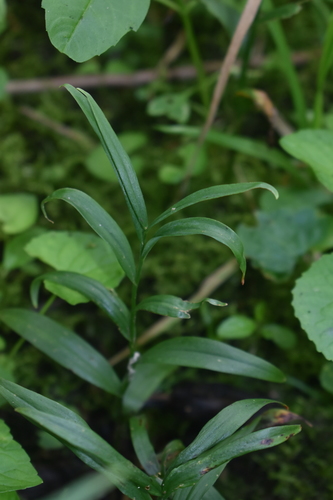
2–2ft tall , 1–2ft wide
Mar-May
Deciduous
Resistant
Friendly
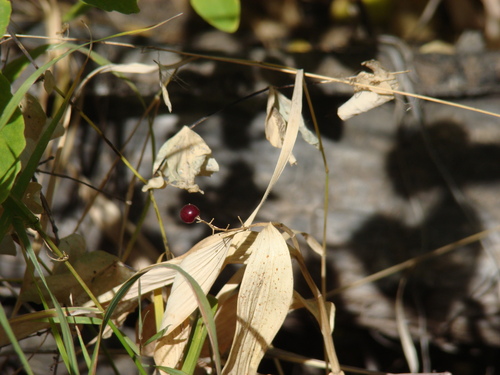
Berries eaten raw or cooked; traditional Indigenous food
Moist meadows and woodlands throughout the Sierra Nevada, mountains, and north coastal regions from Kern County northward, 2000-8000 ft elevation, extending to Oregon and Washington.
Care Guide
Planting
Plant False Solomon's Seal in deep shade or partial shade - this is a woodland plant that won't thrive in sun. Choose a spot with rich, loose, well-drained soil amended with plenty of humus; if your garden soil is heavy clay, work in compost before planting. Plant in fall or early spring, spacing plants about 12-18 inches apart to account for their mature size of 2 feet tall.
After Planting
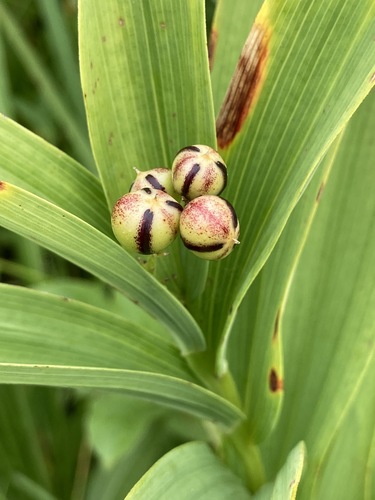
Water moderately during the first growing season, then taper back to once weekly or less during summer once established. This is a deciduous plant, so expect it to die back in winter - this is normal and not a sign of failure. The #1 mistake is overwatering; make sure soil drains fast and never stays soggy, or the roots will rot. After the first year, this easy-care perennial essentially takes care of itself and will reward you with delicate spring flowers, colorful berries in fall, and deer-resistant foliage year-round.
Visit Calscape for more information about False Solomon's Seal
Endangered & Threatened Species Supported
California Threatened; Species of Special Concern
California Species of Special Concern
Wildlife Supported
Birds

Critical refueling during southbound migration August-September

Important fall food source September-October
Insects

Spring and early summer pollinator visitation April-July

Obligate fungal pathogen completes life cycle on host plant
Spring and early summer pollinator activity April-July

Spring foraging activity March-May

Spring foraging April-June

Spring pollen feeder April-June

Nectar visitation during spring flight March-June

Spring and early summer pollen feeding April-July
+1 more species