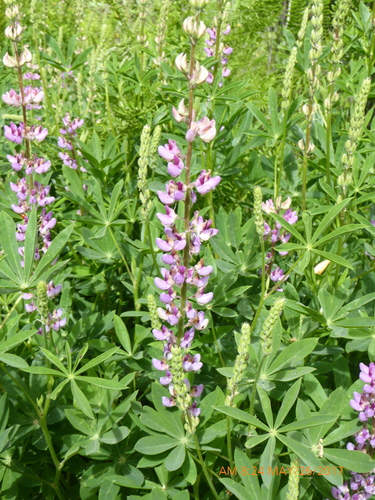
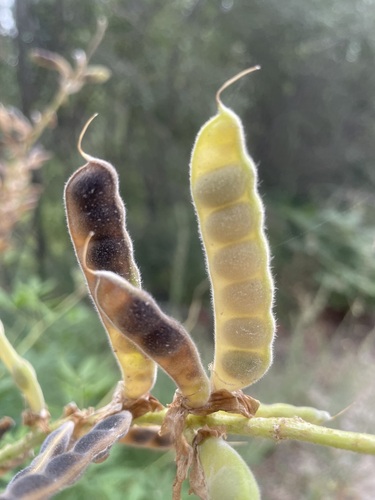
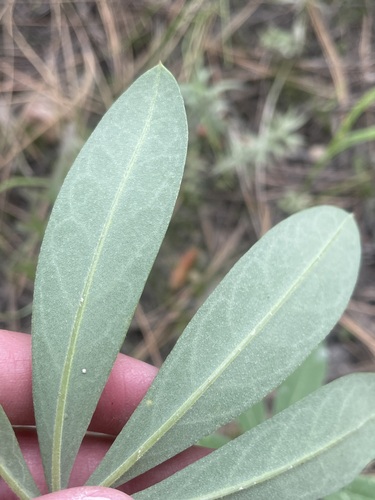
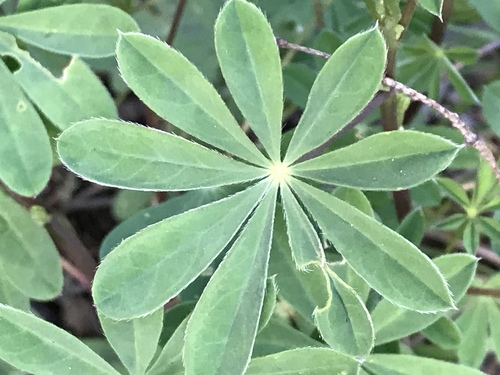
Broad-leaved Lupine
Lupinus latifolius var. latifolius
Care
full sun, part shade
low
Fast; Typically found on soils that are shallow, coarse-textured, rocky and fast draining.
1–7ft tall
Mar-May
Prized
Supports up to 74 butterfly and moth species in Mediterranean California
Meadows, grasslands, and riparian areas of the Sierra Nevada and mountains from Kern County to Modoc County, 4000-8000 ft elevation, extending to Oregon.
Care Guide
Planting
Plant your Broad-leaved Lupine in full sun with fast-draining soil - it thrives in shallow, coarse-textured, rocky conditions, so amend heavy clay with sand or gravel if needed. Space plants according to their mature height (1 to 7 feet depending on variety), and plant in spring to give them time to establish before summer. This native perennial is happiest in the kind of lean, well-draining soil that would challenge other plants, so resist the urge to enrich it.
After Planting
Water weekly during your first summer to establish the plant, then taper off significantly - once established, Broad-leaved Lupine needs very little supplemental water and actually prefers drier conditions. The #1 mistake Bay Area gardeners make is overwatering or planting in rich, moisture-retentive soil, both of which lead to root rot and fungal problems. Expect spring blooms (March through May) and don't be alarmed if the plant goes dormant or looks sparse in summer - that's normal for this western native.
Visit Calscape for more information about Broad-leaved Lupine
Endangered & Threatened Species Supported
California Endangered; Species of Special Concern
Wildlife Supported
Insects

Lupine is preferred larval host plant

Specialist on lupine hosts, larvae feed on flower buds and foliage

Larvae develop on lupine plants, important early season host

Larvae feed on lupine foliage, critical host plant for multiple generations

Larvae feed on lupine leaves

Lupine specialist, larvae consume foliage

Opportunistic herbivore on lupine foliage

Accepts lupine as host plant in California habitats