← Back to results

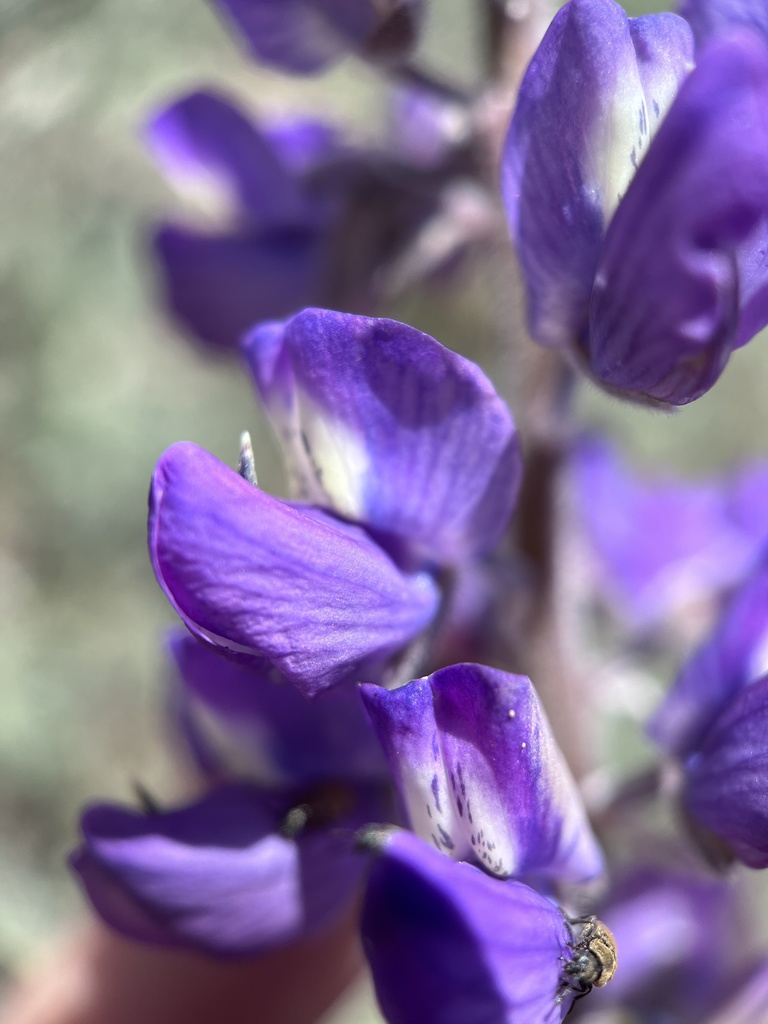
Summer Lupine

Lupinus formosus var. formosus

perennial herb View on Calscape

Care

Sun

full sun

Water

low

Soil

Slow

Size

0–2ft tall

Bloom

Jun-Nov

Container

Friendly

Flowers

Prized

Keystone Plant

Supports up to 74 butterfly and moth species in Mediterranean California

Native Range

Meadows and grasslands of the High Sierra and mountains from Tulare County to Modoc County, 5000-10000 ft elevation.

Care Guide

Planting

Plant Summer Lupine in full sun in a location with slow-draining soil - it thrives in dry clay soils and open places typical of Bay Area chaparral and grasslands. Plant in fall or early spring so it can establish before summer heat. Space plants to account for slow rhizome spread over time, and choose a spot where it can stay put, as this is a California native that prefers undisturbed conditions.

After Planting

Water moderately through the first growing season, then transition to low water once established - this is a drought-tolerant native. Expect the plant to die back completely in winter and resprout in early spring; this is normal and requires no intervention. The #1 mistake is overwatering: Summer Lupine evolved for dry conditions and will rot in wet soil, so err on the side of dry once it's past its first year.

Visit Calscape for more information about Summer Lupine

Wildlife Supported

Insects

Larval Host · Year-Round

Multiple generations utilize lupine as larval host plant

Larval Host · Year-Round

Larval food plant for this endemic California butterfly species

Larval Host · Year-Round

Larval development on lupine foliage

Larval Host · Year-Round

Specialized midge parasitoid developing in lupine tissues

Larval Host · Year-Round

Generalist butterfly that occasionally uses lupine as larval host during population peaks

Where to Buy

Native Here Nursery

101 Golf Course Dr, Tilden Regional Park, Berkeley

Sat 10am-2pm

3.0 mi (510) 549-0211 Website