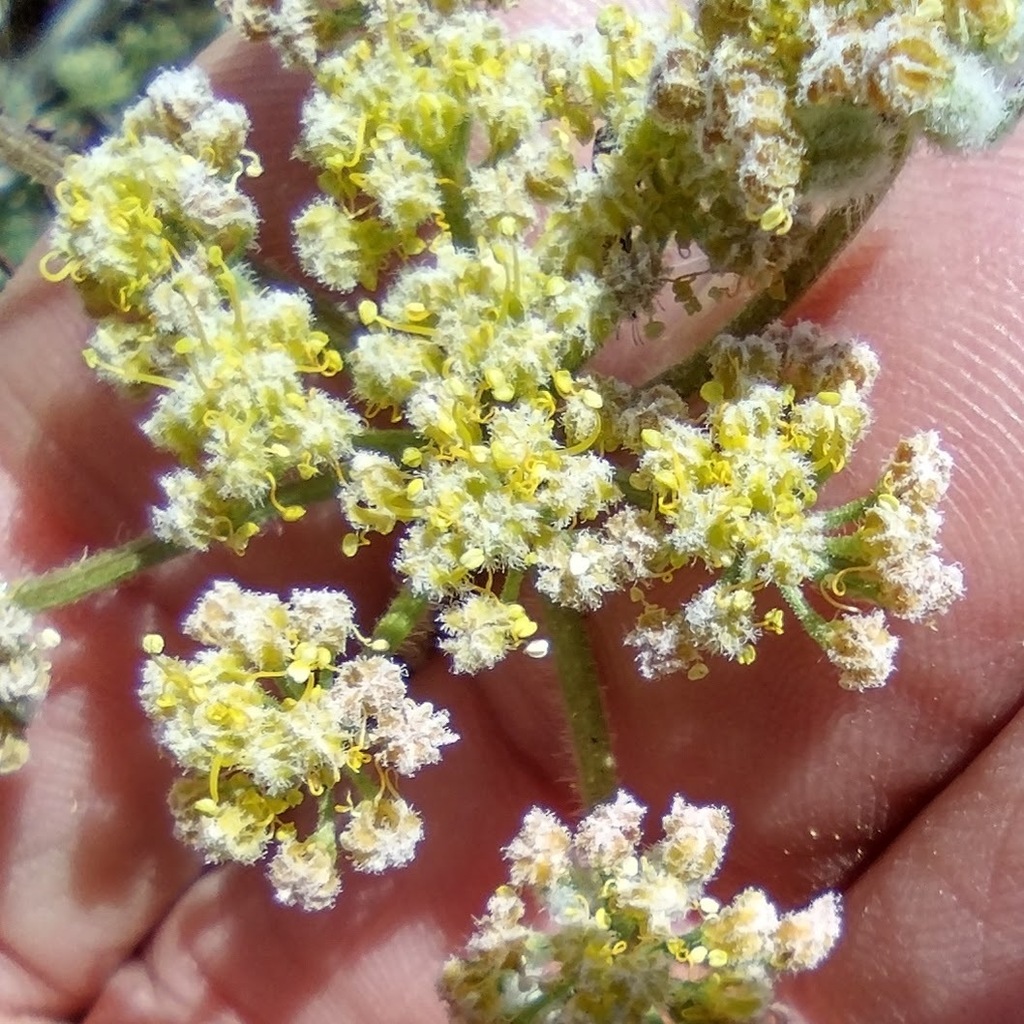
Woollyfruit Desertparsley
Lomatium dasycarpum subsp. dasycarpum
Care
full sun
very low
Fast
2–2ft tall
Mar-May
Friendly
Seeds ground into flour; roots cooked; traditional Indigenous food
Open grasslands and sagebrush areas of northeastern California and the Sierra Nevada region from Modoc County to Inyo County, 4000-8000 ft elevation, extending to Oregon and Nevada.
Care Guide
Planting
Plant your Woollyfruit Desertparsley in full sun with fast-draining soil - it thrives in the dry, well-drained conditions of chaparral and foothill woodlands throughout the Bay Area. The best time to plant is in fall or early spring before the growing season. Space plants about 12-18 inches apart to accommodate their half-meter mature height, and ensure the soil drains quickly since this plant cannot tolerate wet feet.
After Planting
Water moderately during your plant's first growing season to establish roots, then transition to very low water once established - this is a drought-tolerant native that needs minimal supplemental watering. Expect spring blooms from March through May, followed by the distinctive woolly fruits the plant is named for. Your main challenge will be overwatering; resist the urge to coddle this tough plant once it's settled in, as excess moisture is far more likely to kill it than drought.
Visit Calscape for more information about Woollyfruit Desertparsley
Endangered & Threatened Species Supported
Federally listed as endangered; restricted to coastal scrub habitat in California
Wildlife Supported
Insects
Multiple broods utilize Lomatium as larval host Mar-Oct
Lomatium species are primary larval host plants; multiple generations Apr-Sep
Early spring brood feeds on emerging Lomatium foliage Mar-Apr
Spring brood dependent on fresh Lomatium growth
Opportunistic use when other hosts scarce; multiple generations
Oligolectic or oligophilic specialist utilizing spring wildflower pollen
Spring and summer generations utilize Apiaceae family plants