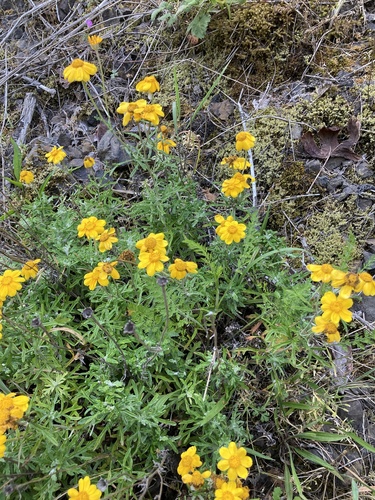
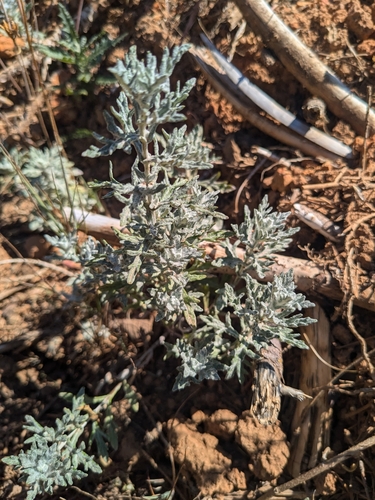
Common Woolly Sunflower
Eriophyllum lanatum var. achilleoides
Care
part shade, full sun
very low
Fast, Medium, Slow; Tolerant of a variety of soils including sand, clay and alkaline.
1–3ft tall , 2–2ft wide
Mar-Aug
Deciduous
Resistant
Friendly
Prized
Coastal Ranges and Sierra Nevada foothills throughout California from the Oregon border south to San Diego County, typically below 5000 ft elevation in grassland and chaparral.
Care Guide
Planting
Plant your Common Woolly Sunflower in full sun or part shade - it's adaptable to both. This plant is extremely forgiving about soil: it tolerates sand, clay, and even alkaline soils, so amend minimally and focus on ensuring good drainage (fast to medium drainage is ideal, though it can handle slow drainage too). Space plants 1–2 feet apart to account for their 1–3 foot mature height. Spring is the best planting window in the Bay Area.
After Planting
Water weekly during your plant's first summer to help it establish, then taper to once monthly or less once established - this is a drought-tolerant plant that actually prefers dry conditions. After year one, you can largely forget about watering in summer unless you're in an extreme heat event. The plant is deciduous, so expect die-back in winter; resist the urge to water during dormancy. The #1 mistake is overwatering: resist treating this like a thirsty perennial and let it dry out between waterings.
Visit Calscape for more information about Common Woolly Sunflower
Endangered & Threatened Species Supported
California state threatened species
California Species of Special Concern
Wildlife Supported
Insects

Early spring larval development, critical host plant

Multiple generations Apr-Oct, larvae feed on plant foliage

Early spring larvae, overwintered pupae emerge Apr-May

Adult nectar foraging Jun-Sep

Multi-generational forager Apr-Oct

Multi-generational, migratory populations feed Mar-Nov

Adult nectar source May-Jul