← Back to results

Western Redbud

Cercis occidentalis

Care

Sun

full sun, part shade

Water

very low

Soil

well-drained

Size

10–20ft tall , 10–20ft wide

Bloom

Mar-May · magenta, pink

Foliage

Deciduous

Deer

Resistant

Flowers

Prized

Native Range

California foothills, inner Coast Ranges, Sierra foothills

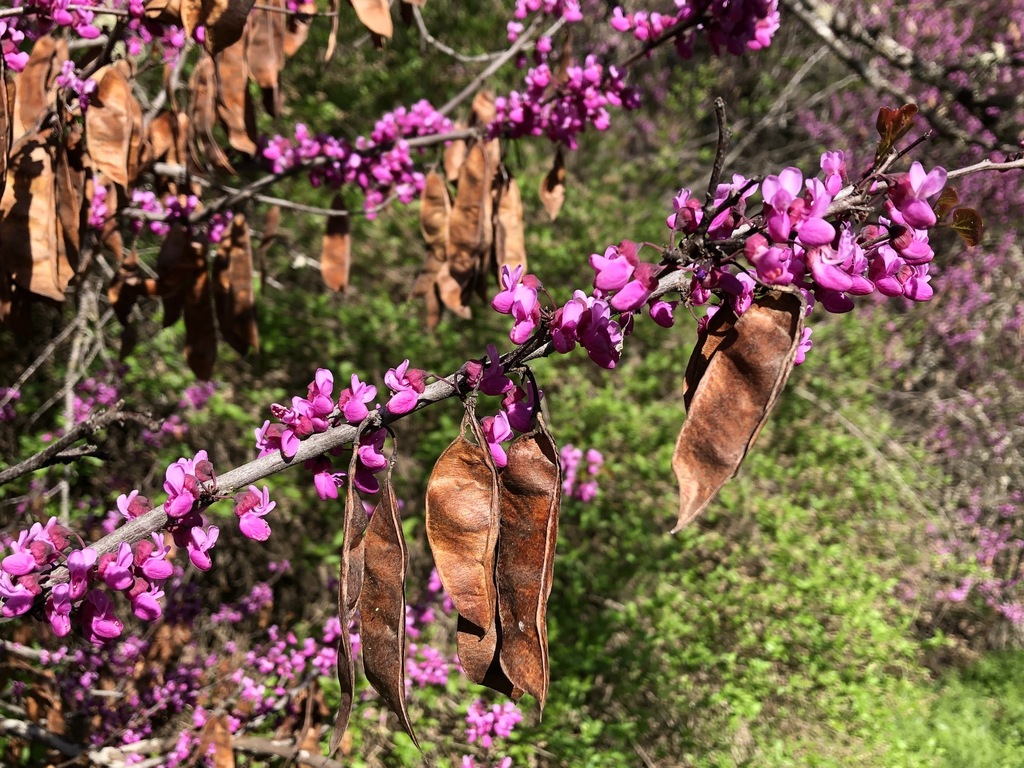
Brilliant magenta flowers cover bare branches before leaves emerge

Multi-trunked small tree; outstanding ornamental; fall color yellow to red

Care Guide

Planting

Plant your Western Redbud in full sun or part shade in well-drained soil - it's adaptable to most soil types, even sodic soil, so you have flexibility here. The ideal planting time is fall or early spring to establish roots before summer heat. Space it where it has room to reach 10–20 feet tall. In the Bay Area, you're in ideal territory: Western Redbud thrives in northern California's four-season climate and cold winters.

After Planting

Water weekly for the first summer to establish the plant, then taper off - once established, it needs only very low to moderate water and rarely needs more than once-weekly irrigation even in summer. Watch for the showy magenta flowers in spring (March–May), which should arrive without fussing. The biggest mistake is overwatering: Western Redbud is tough and drought-tolerant once established, so resist the urge to baby it. In winter, the plant goes dormant and loses its leaves - this is normal and healthy.

Visit Calscape for more information about Western Redbud

Endangered & Threatened Species Supported

Moss's elfin Callophrys mossii windi
Federal: Threatened, CA: Threatened

Threatened subspecies; critical habitat designated

Monarch butterfly Danaus plexippus
CA Special Concern

California Species of Special Concern; monarch populations declining

Wildlife Supported

Birds

Nectar · Spring

Early spring blooms provide critical nectar during breeding season March-May

Seeds · Summer

Seed pods consumed June-August

Seeds · Summer

Seeds utilized during breeding season June-August

Insects

Nectar · Spring

Early season forager March-May during nesting period

Larval Host · Spring

Larval host plant for early spring broods March-April

Nectar · Spring

Early season nectar March-May, important for emerging populations

Nectar · Spring

Spring blooms coincide with nesting season March-May

hig Honey bee
Nectar · Spring

Early spring nectar source March-May, critical when native floral resources are limited

Nectar · Spring

Early spring queen foraging and colony establishment March-May

Larval Host · Spring

Spring brood larval host plant March-May

Nectar · Spring

Spring migrants and breeding generation utilize early nectar March-May

+4 more species

Where to Buy

East Bay Wilds

2110 Eighth St, Suite 202, Berkeley

Fri 9:30am-4pm (occasional Sat, call ahead)

1.5 mi (510) 409-5858 Website
Yerba Buena Nursery

12511 San Mateo Rd, Half Moon Bay

Tue-Sat 9am-4pm

12.0 mi (650) 851-1668 Website