Yerba Santa
Eriodictyon californicum
Care
full sun
very low
dry, well-drained; poor rocky soils fine
3–8ft tall , 3–6ft wide
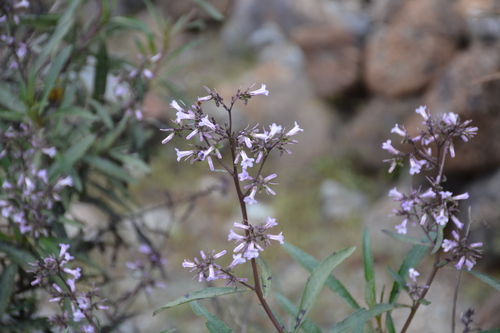
May-Jul · lavender, white
Evergreen
Resistant
Friendly
Prized
California and Oregon foothills and mountains
Clusters of tubular lavender to white flowers
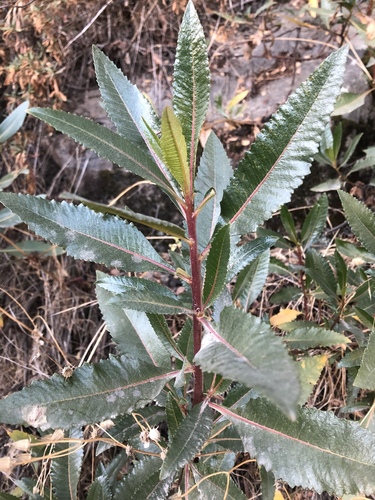
Medicinal herb; leaves used for respiratory ailments; spreads by rhizomes
Care Guide
Planting
Plant your yerba santa in full sun with fast or medium-draining soil - it thrives in poor, rocky conditions and tolerates a variety of soil types as long as drainage is excellent. Space it with room to spread, since this plant grows via underground rhizomes and can form dense thickets; plant in fall or winter to take advantage of the Bay Area's rainy season. Avoid areas where you'll need to contain it strictly, or plan to manage its spread.
After Planting
Water twice monthly during your first summer to establish the plant, then wean off completely - yerba santa is extremely drought-tolerant once established and needs very little supplemental water. This evergreen shrub requires minimal pruning; the main mistake people make is overwatering, which can rot the roots and kill this drought-adapted plant. Year one, expect slow growth as the plant establishes its root system, and enjoy the white to light purple bell-shaped flowers that appear from May through July.
Endangered & Threatened Species Supported
Some subspecies federally protected; species has state endangered designation
California Species of Special Concern
Wildlife Supported
Insects

Host plant for caterpillars; critical for larval development

Obligate host plant; regional populations depend on plant availability

Oligolectic specialist; yerba santa pollen key to brood provisioning

Spring-blooming specialist; primary pollen source for nesting females

Specialist bee; May-July blooms provide larval food provisioning

May-July blooms support colony establishment and worker foraging

May-July bloom supports hive nectar collection and brood rearing

Migratory species; may use blooms during spring and fall passage
+4 more species
Birds

Primary nectar source during May-July bloom; supports breeding season energy demands

Migration staging fuel; blooms align with spring northbound passage May-June