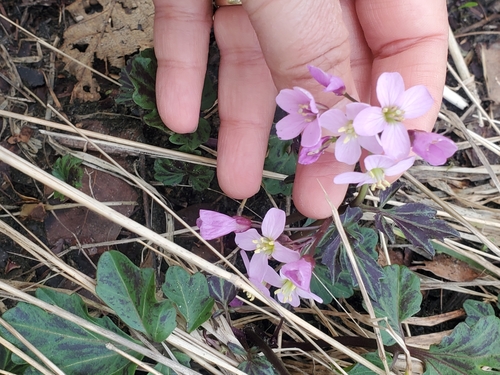
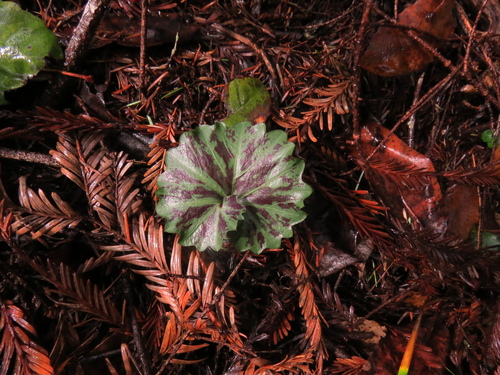
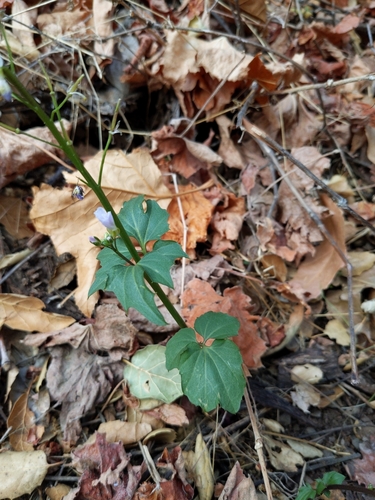
Milkmaids
Cardamine californica
Care
full sun, part shade
1–1ft tall
Resistant
Friendly
Prized
Leaves and stems eaten raw in salads or cooked as greens
North Coast from Humboldt County to Marin County, below 2000 ft elevation, in riparian woodlands and coastal scrub
Care Guide
Planting
Plant Milkmaids in full sun to part shade, ideally in fall or winter to match their natural growing season in the Bay Area. This herbaceous perennial grows to about 1 foot tall and will bloom from January through May, so planting before winter ensures you'll catch that early spring flower show. Space plants about 1 foot apart to accommodate their mature size.
After Planting
Milkmaids is a winter-active plant native to our region, so expect it to thrive during the rainy season and go dormant in summer - this is normal, not a sign of trouble. The biggest mistake gardeners make is watering or fussing with the plant during its natural summer dormancy; let it rest. The plant is deer resistant and requires no special pruning once established.
Endangered & Threatened Species Supported
California Species of Special Concern; population fluctuations noted
Wildlife Supported
Insects

Primary larval host plant in California; critical for spring emergence

Multiple generations use as larval food plant throughout growing season

Migratory species using as nectar source during passage through California

Uses plant material for brood cell provisioning

Nectar source during emergence and dispersal periods

Spring and early summer nectar resource

Nectar feeding supports bee fly populations that parasitize ground-nesting bees

Pathogenic relationship; fungal parasite on plant tissues
+1 more species